
I acknowledge I have not received a personal use breast pump through this insurance policy or any other insurance policy for this pregnancy. I understand if I have received a breast pump through another provider or insurance coverage this claim may be denied and I will be responsible for paying the full retail value of the breast pump to Neb Doctors. I authorize Pumps for Mom to contact me by phone, email, or text message. Pumps for Mom will not share this information.
Accepted by 300+ Insurance Plans






Most insurance plans fully cover your breast pump under the ACA.
Your pump ships directly to your door at no extra charge.
We verify your benefits and file everything with your insurer.
Most orders arrive within a week of insurance verification.
A hospital grade breast pump is a professional-grade pump designed for clinical use in hospitals, birthing centers, and lactation clinics. These pumps feature industrial-strength motors that deliver powerful, consistent suction over thousands of hours of use. Unlike personal-use pumps that are designed for one mother, hospital grade pumps are multi-user devices—each mother uses her own personal accessory kit (flanges, tubing, bottles) while sharing the motor unit.
The defining characteristics of a hospital grade pump include:
The most recognized hospital grade breast pump is the Medela Symphony, which is the standard in hospitals and NICUs across the country. The Ameda Platinum (formerly the Ameda Elite) is another respected hospital grade option. These pumps typically retail for $1,000 to $2,500, which is why they are most commonly rented rather than purchased.
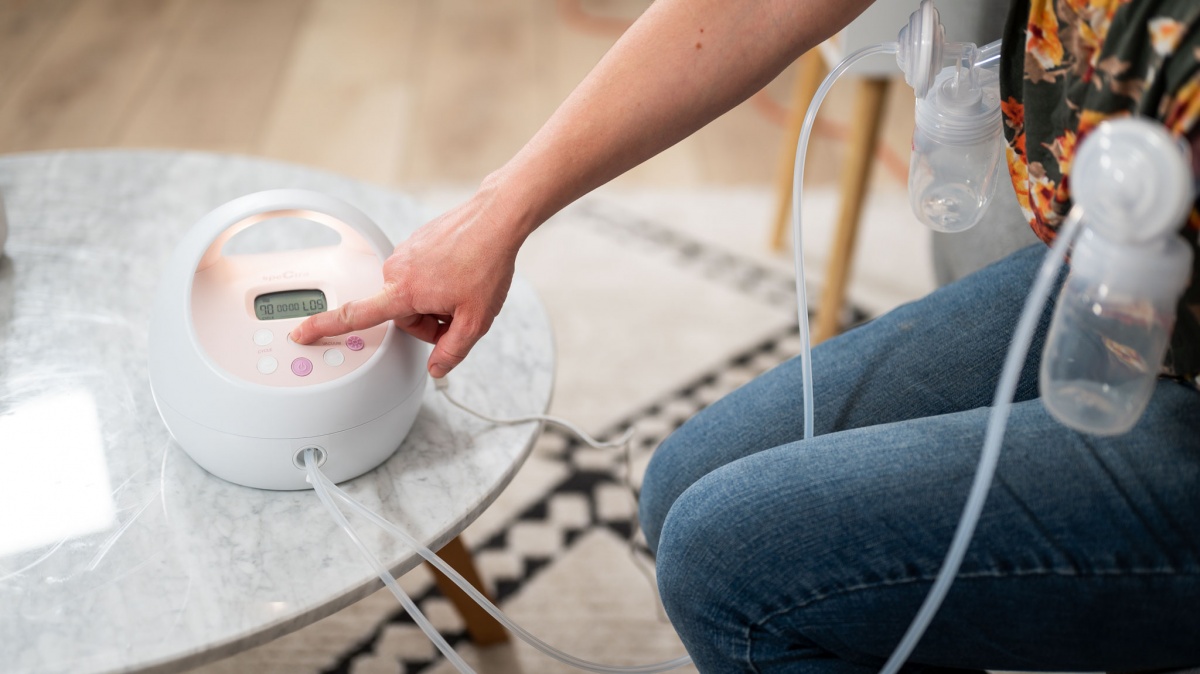
Many breast pump manufacturers describe their products as “hospital-strength” or “hospital-performance,” and this language can create confusion. Understanding the difference between hospital grade and hospital strength is important when evaluating your options.
Hospital grade refers to pumps specifically built for multi-user clinical environments. They have heavier, more durable motors; FDA clearance for multiple users with individual accessory kits; and suction that remains consistent after thousands of hours. The Medela Symphony and Ameda Platinum are true hospital grade pumps.
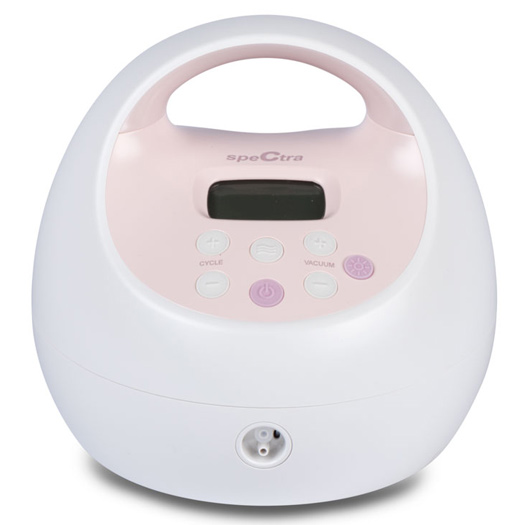
Hospital strength is a marketing term used by some manufacturers to describe personal-use pumps that approach hospital-grade suction power. The Spectra S1 Plus and S2 Plus, for example, are often described as hospital-strength because their maximum suction levels are comparable to some hospital grade models. However, they are single-user personal pumps with motors rated for fewer hours of total use.
This distinction matters because a hospital-strength personal pump like the Spectra S2 Plus is an excellent pump for everyday use and is widely covered by insurance. But if you have a specific medical need—such as a premature baby in the NICU, difficulty establishing supply, or chronic low supply—a true hospital grade pump may be medically recommended by your lactation consultant or pediatrician.
Takes less than 60 seconds. Most moms pay $0.
Hospital grade breast pumps are not necessary for every breastfeeding mother. They serve specific clinical situations where maximum suction performance is critical:
NICU parents. When a baby is born prematurely or requires intensive care, the mother often cannot breastfeed directly. A hospital grade pump helps establish and maintain supply during the days, weeks, or months the baby is in the NICU. The pump’s powerful suction mimics a baby’s nursing rhythm more effectively than personal pumps, which is especially important in the early days when supply is being established.
Low milk supply. Mothers experiencing medically diagnosed low milk supply may benefit from the stronger, more consistent suction of a hospital grade pump. A lactation consultant may recommend upgrading from a personal pump if supply is not responding adequately.
Exclusive pumpers. Mothers who pump for every feeding—sometimes eight or more times per day—put significant demand on a pump motor. Hospital grade motors are built for this level of use and maintain performance over months of heavy daily pumping.
Relactation or induced lactation. Mothers working to restart milk production or establish supply without a preceding pregnancy often need the strongest suction available to stimulate production.
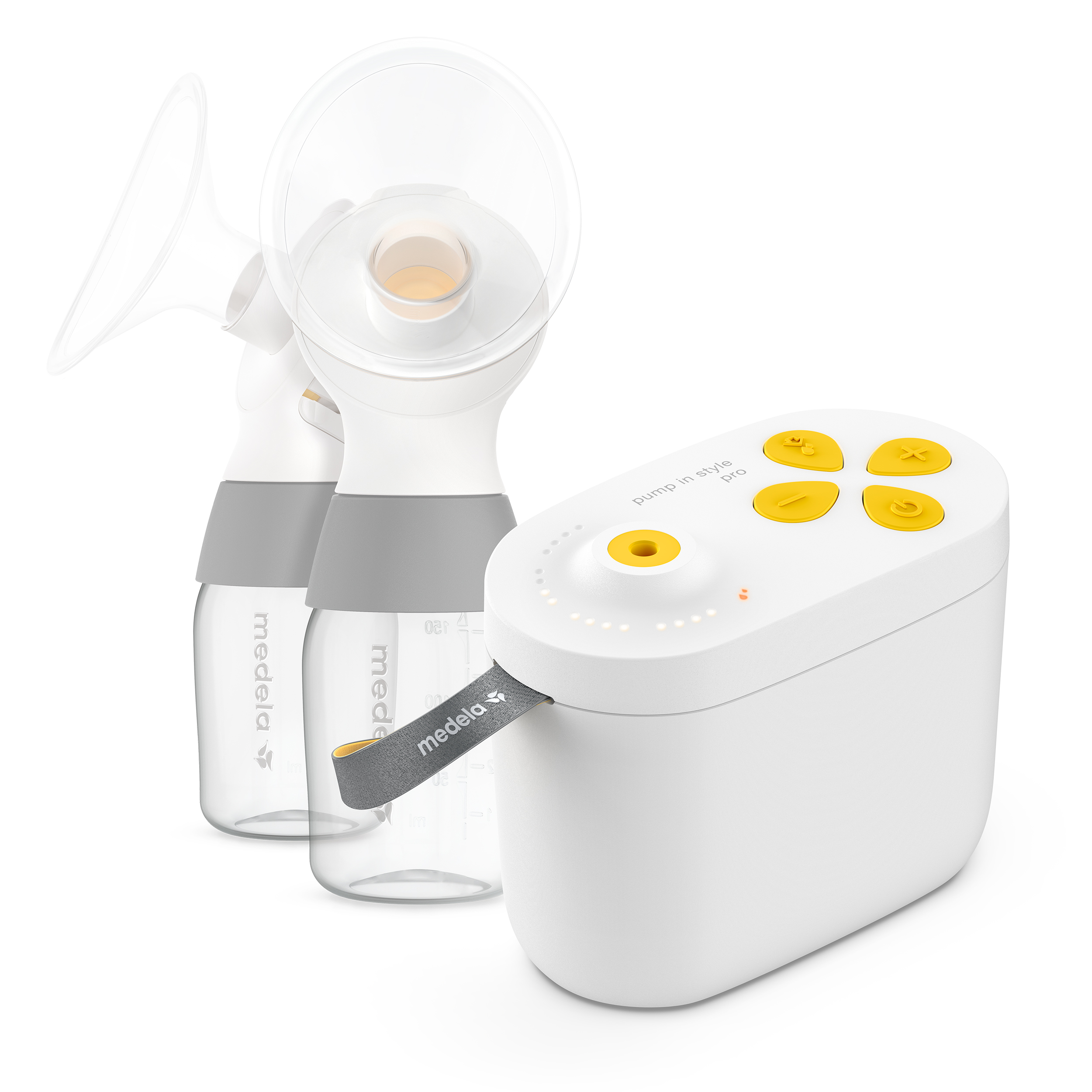
For the average breastfeeding mom who pumps a few times a day, a high-quality personal electric pump like the Spectra S2 Plus or Medela Pump In Style provides more than enough power and performance.
Insurance coverage of hospital grade breast pumps is more limited than coverage of personal-use pumps, but it does exist in certain circumstances.
Under the ACA, insurers are required to cover a breast pump at no cost. Most plans fulfill this requirement by covering a personal-use electric pump. However, some insurance plans will cover a hospital grade pump rental or purchase when medical necessity is documented. This typically requires a letter or prescription from your OB-GYN, pediatrician, or lactation consultant stating why a hospital grade pump is medically necessary for your situation.
Common scenarios where insurance may approve hospital grade coverage include:
If your insurance does not cover a hospital grade pump outright, many hospitals and medical supply companies offer rental programs. The Medela Symphony, for example, is available for monthly rental at rates that typically range from $50 to $100 per month. Some insurance plans cover a portion of rental costs even if they do not cover a full purchase.
Pumps for Mom can help you explore your hospital grade coverage options. Enter your insurance details to see what your plan covers, or contact our team for guidance on obtaining medical necessity documentation.
Takes less than 60 seconds. Most moms pay $0.
Speak with your OB-GYN, pediatrician, or lactation consultant about whether a hospital grade pump is appropriate for your situation. If it is, ask for a letter of medical necessity or a prescription specifying a hospital grade breast pump.
Enter your insurance details on Pumps for Mom. We check whether your plan covers hospital grade pumps and explain your options—including rental programs and any personal-use pumps with hospital-strength suction that may be fully covered.
If your plan covers a hospital grade pump, we coordinate the order. If not, we help you find the strongest personal-use pump covered by your insurance and provide information on hospital grade rental programs in your area.
Covered by most insurance plans
Covered by most insurance plans
Covered by most insurance plans
Most insurance plans cover a breast pump at no cost to you.
Rated 4.9/5 by thousands of moms
“I had no idea my insurance would cover a Spectra pump at no cost. Pumps for Mom handled everything—I just picked my pump and it arrived in 4 days.”
Jessica M.
Dallas, TX
“The process was so simple. I entered my insurance info, picked the Medela Freestyle, and they took care of all the paperwork. Truly zero hassle.”
Sarah K.
Richmond, VA
“As a first-time mom I was overwhelmed by the options. Their team helped me choose the right pump for my needs and I paid nothing out of pocket.”
Amanda R.
Phoenix, AZ
What is the difference between a hospital grade and a regular breast pump?
A hospital grade breast pump has a more powerful motor rated for thousands of hours of use, is designed for multi-user operation with individual accessory kits, and delivers stronger and more consistent suction than a personal-use pump. Regular personal pumps like the Spectra S2 Plus are designed for single-user home use and have motors rated for fewer hours. Hospital grade pumps like the Medela Symphony are the standard in hospital NICUs.
Can I buy a hospital grade breast pump or do I have to rent?
Hospital grade breast pumps are available for both purchase and rental, though rental is far more common due to the high purchase price, which typically ranges from $1,000 to $2,500. Most mothers who need a hospital grade pump rent one on a monthly basis, usually for $50 to $100 per month. Some insurance plans cover rental costs when medical necessity is documented.
Does my insurance cover a hospital grade breast pump for NICU?
Many insurance plans cover hospital grade breast pump rentals when a baby is in the NICU, though coverage varies by plan. NICU admission is one of the most commonly approved reasons for hospital grade pump coverage. Ask your NICU social worker or lactation consultant for help obtaining a letter of medical necessity, and enter your insurance details on Pumps for Mom to check your specific coverage.
Is the Spectra S2 a hospital grade breast pump?
No. The Spectra S2 Plus is a personal-use pump often described as hospital-strength because its suction levels are comparable to some hospital grade models. However, it is designed for single-user home use and has a motor rated for fewer hours than a true hospital grade pump. It is an excellent pump for daily use and is widely covered by insurance, but it is not classified as hospital grade.
How long can I rent a hospital grade breast pump?
Rental periods depend on your needs and insurance coverage. Many mothers rent a hospital grade pump for the duration of their baby’s NICU stay plus an additional one to three months after discharge. Some rent for several months while establishing supply. Rental agreements are typically month-to-month, so you can return the pump whenever you no longer need it.
Enter your insurance details to see your coverage options, including hospital grade and hospital-strength pumps.
I acknowledge I have not received a personal use breast pump through this insurance policy or any other insurance policy for this pregnancy. I understand if I have received a breast pump through another provider or insurance coverage this claim may be denied and I will be responsible for paying the full retail value of the breast pump to Neb Doctors. I authorize Pumps for Mom to contact me by phone, email, or text message. Pumps for Mom will not share this information.