I acknowledge I have not received a personal use breast pump through this insurance policy or any other insurance policy for this pregnancy. I understand if I have received a breast pump through another provider or insurance coverage this claim may be denied and I will be responsible for paying the full retail value of the breast pump to Neb Doctors. I authorize Pumps for Mom to contact me by phone, email, or text message. Pumps for Mom will not share this information.
Accepted by 300+ Insurance Plans



Most insurance plans fully cover your breast pump under the ACA.
Your pump ships directly to your door at no extra charge.
We verify your benefits and file everything with your insurer.
Most orders arrive within a week of insurance verification.
Medicaid is a joint federal-state program. The federal government sets minimum requirements and provides funding, but each state designs and administers its own Medicaid program. This means states have significant flexibility in determining which benefits to cover, how to deliver those benefits, and what rules to apply.
For breast pumps specifically, this creates a patchwork of coverage across the country:
Some states are very generous — covering double electric breast pumps from multiple brands at no cost, with minimal paperwork and no prior authorization.
Other states are more restrictive — covering only manual pumps, requiring prior authorization for electric pumps, or limiting coverage to specific brands or models.
State Medicaid names differ too. Tennessee calls its program TennCare. Indiana has the Healthy Indiana Plan. California uses Medi-Cal. Each has its own rules for breast pump coverage.
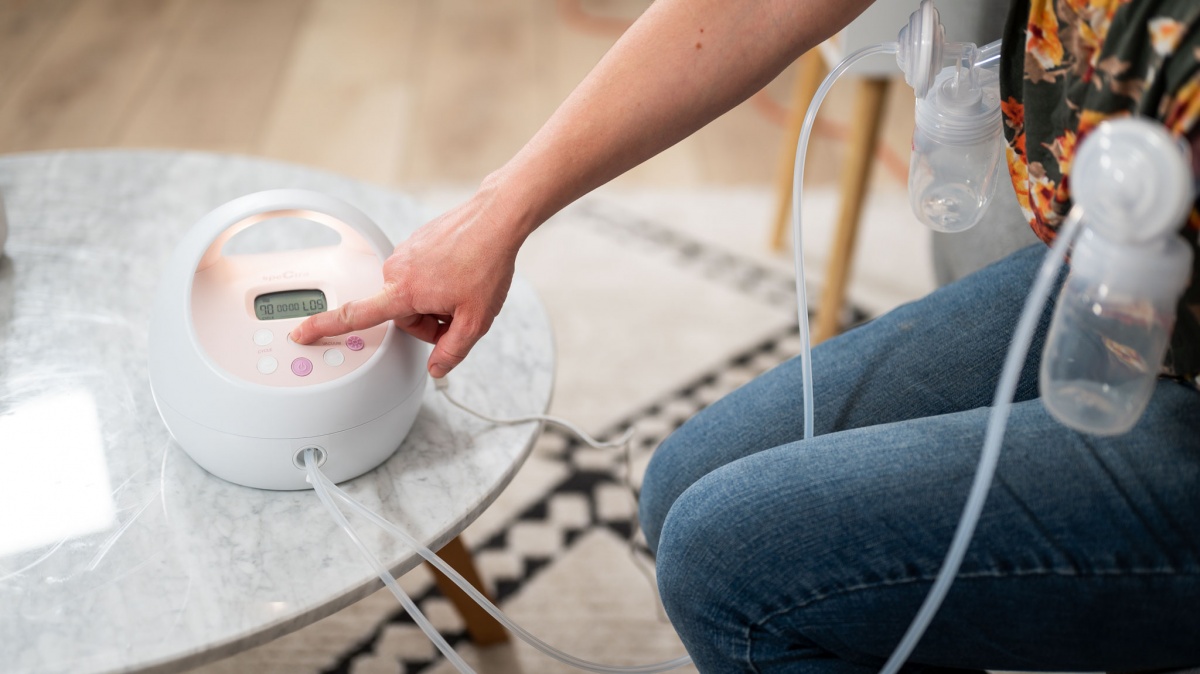
Most states deliver Medicaid benefits through managed care organizations (MCOs) rather than traditional fee-for-service Medicaid. This means your breast pump benefit may be administered by a private insurance company that contracts with your state Medicaid program. Common Medicaid MCOs include:
Your specific MCO can affect which breast pumps are covered, whether prior authorization is required, and which suppliers are in-network. Pumps for Mom works with MCOs across multiple states and can navigate these differences for you.
Takes less than 60 seconds. Most moms pay $0.
While specific coverage varies, here is the general landscape of Medicaid breast pump benefits across the country:
Manual breast pumps: Most state Medicaid programs cover at least a manual breast pump. These are the most basic option — hand-operated, single-breast pumps that are portable but slower to use.
Double electric breast pumps: Many states now cover double electric pumps through Medicaid, especially in states that expanded Medicaid under the ACA. Popular covered models include the Spectra S2 Plus, Medela Pump in Style, and Lansinoh Smartpump 3.0.
Wearable breast pumps: A growing number of state Medicaid programs are beginning to cover wearable pumps like the Elvie Stride, though this is still less common than standard electric pump coverage.
Hospital-grade pump rentals: Some states cover hospital-grade pump rentals for mothers with specific medical needs, such as premature infants or NICU situations.
Regardless of your state, here are common requirements you may encounter when ordering a breast pump through Medicaid:
Prescription: Most state Medicaid programs require a doctor’s prescription or order for a breast pump. This is typically a simple process — your OB-GYN, midwife, or prenatal care provider writes a prescription for a breast pump.
Prior authorization: Some states require prior authorization (PA) before Medicaid will approve a breast pump, especially for electric models. The PA process involves your supplier (like Pumps for Mom) submitting documentation to your MCO for approval. This can add a few days to the ordering timeline.
Ordering timeline: Most states allow ordering during the third trimester of pregnancy (around 30 weeks) or after delivery. Some states are more flexible with timing.
In-network supplier: You typically need to order from a supplier that is in-network with your Medicaid MCO. Pumps for Mom is in-network with Medicaid MCOs in many states.
Takes less than 60 seconds. Most moms pay $0.
The fastest way to find out what your state Medicaid program covers for breast pumps is to enter your Medicaid member ID on Pumps for Mom. We identify your state, your MCO, and your specific coverage to show you exactly what is available.
If you want to research your state’s program independently, here are some resources:
Your Medicaid insurance card: It lists your state program name, MCO, and member services number.
Your MCO’s website: Most Medicaid MCOs list covered benefits including breastfeeding supplies on their member portals.
Your state Medicaid office: Each state has a Medicaid agency website with benefit information. Search for your state Medicaid program name (e.g., Medi-Cal, TennCare, MassHealth) for the most accurate information.
Your prenatal care provider: Your OB-GYN or midwife can often tell you about breast pump coverage options available through your insurance.
Locate your Medicaid or managed care insurance card. Note your member ID, state program name, and MCO (if applicable).
Enter your Medicaid member ID on our site. We determine your state, MCO, and specific breast pump coverage instantly.
See which pumps your state Medicaid program covers at no cost. We show only the options available under your specific plan.
Pumps for Mom manages the Medicaid claim, prior authorization (if needed), and prescription coordination. Your pump ships free.
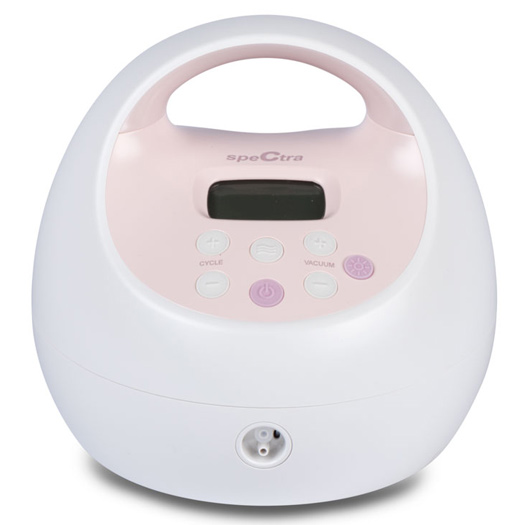
Covered by most insurance plans
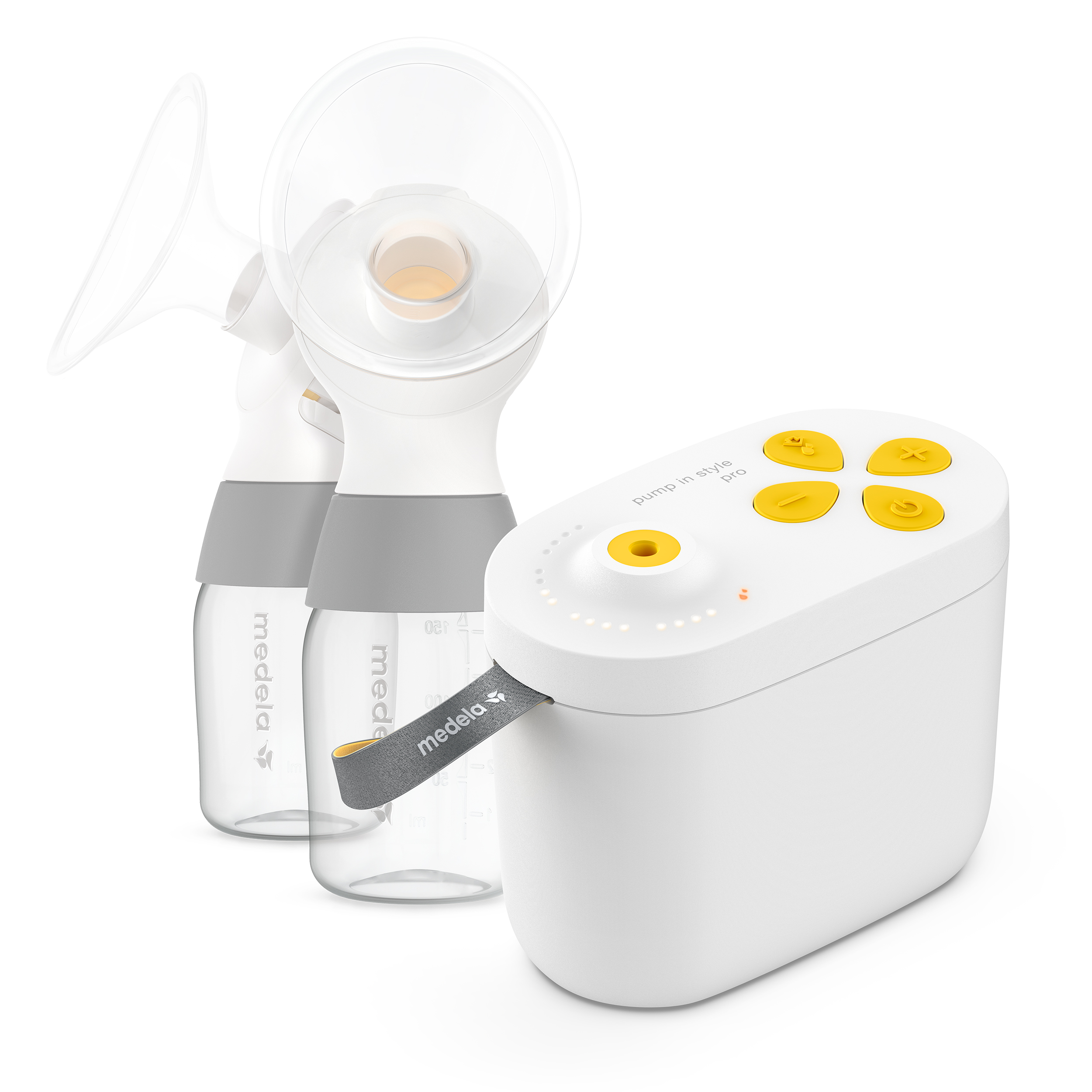
Covered by most insurance plans
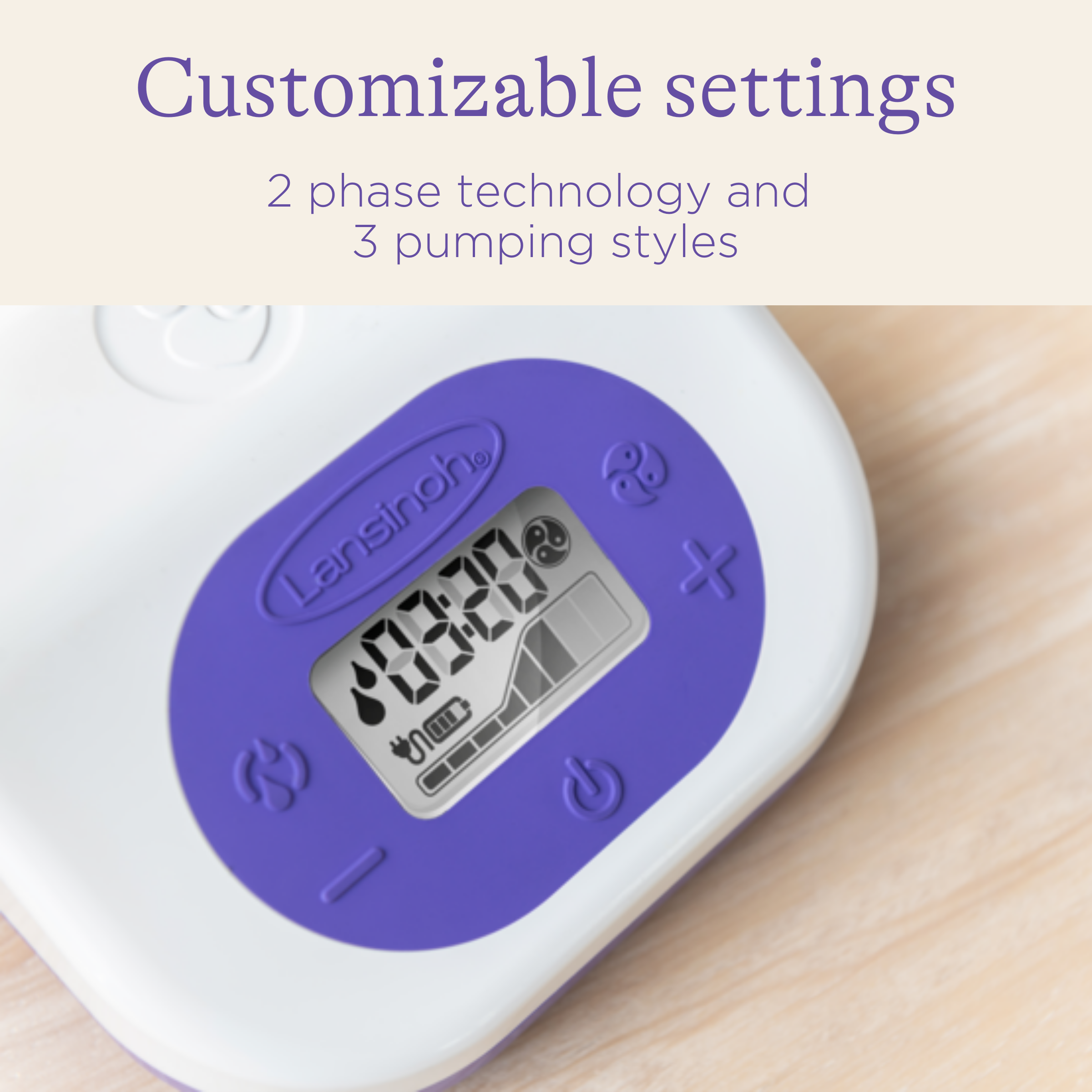
Covered by most insurance plans
Most insurance plans cover a breast pump at no cost to you.
Rated 4.9/5 by thousands of moms
“I had no idea my insurance would cover a Spectra pump at no cost. Pumps for Mom handled everything—I just picked my pump and it arrived in 4 days.”
Jessica M.
Dallas, TX
“The process was so simple. I entered my insurance info, picked the Medela Freestyle, and they took care of all the paperwork. Truly zero hassle.”
Sarah K.
Richmond, VA
“As a first-time mom I was overwhelmed by the options. Their team helped me choose the right pump for my needs and I paid nothing out of pocket.”
Amanda R.
Phoenix, AZ
Does every state Medicaid program cover breast pumps?
Most states offer some level of breast pump coverage through Medicaid, but the type of pump covered (manual vs. electric) and the requirements vary significantly. Some states are very generous while others offer only basic coverage. Check your state’s specific coverage through Pumps for Mom.
Does Medicaid expansion affect breast pump coverage?
States that expanded Medicaid under the ACA generally must cover preventive services, which includes breastfeeding supplies. This means Medicaid expansion states may have stronger breast pump coverage. However, many non-expansion states also cover breast pumps through their traditional Medicaid programs.
What is my Medicaid MCO and why does it matter?
Your Medicaid managed care organization (MCO) is the private insurance company that administers your Medicaid benefits. Common MCOs include Molina, Amerigroup, UHC Community Plan, WellCare, and CareSource. Your MCO matters because it determines which suppliers are in-network and may affect which pump models are covered.
Can I get a wearable breast pump through Medicaid?
Some state Medicaid programs and MCOs now cover wearable breast pumps. This is becoming more common but is not universal. Check your specific state and MCO coverage through Pumps for Mom to see if wearable options are available.
Does Pumps for Mom work with Medicaid in every state?
Pumps for Mom works with Medicaid MCOs in many states and is continuously expanding our coverage. Enter your Medicaid information on our site to check if your state and MCO are currently supported. If we cannot process your order, we will let you know and point you toward alternative resources.
Enter your Medicaid member ID to see what breast pumps your state program covers at no cost. Takes under 60 seconds.
I acknowledge I have not received a personal use breast pump through this insurance policy or any other insurance policy for this pregnancy. I understand if I have received a breast pump through another provider or insurance coverage this claim may be denied and I will be responsible for paying the full retail value of the breast pump to Neb Doctors. I authorize Pumps for Mom to contact me by phone, email, or text message. Pumps for Mom will not share this information.