
I acknowledge I have not received a personal use breast pump through this insurance policy or any other insurance policy for this pregnancy. I understand if I have received a breast pump through another provider or insurance coverage this claim may be denied and I will be responsible for paying the full retail value of the breast pump to Neb Doctors. I authorize Pumps for Mom to contact me by phone, email, or text message. Pumps for Mom will not share this information.
Accepted by 300+ Insurance Plans






Most insurance plans fully cover your breast pump under the ACA.
Your pump ships directly to your door at no extra charge.
We verify your benefits and file everything with your insurer.
Most orders arrive within a week of insurance verification.
An electric breast pump is any breast pump that uses a motorized mechanism to create rhythmic suction, mimicking the way a baby nurses. The motor does the work that your hand would do with a manual pump, cycling between a faster stimulation phase (to trigger let-down) and a slower expression phase (to draw out milk). You control the suction strength and cycle speed using buttons or dials on the pump.
Electric breast pumps range widely in size, power, and features. At one end of the spectrum are full-size plug-in models like the Spectra S2 Plus, which connect to a wall outlet and deliver consistent, powerful suction session after session. In the middle are rechargeable portable models like the Spectra S1 Plus and Medela Freestyle Flex, which operate on battery power for cordless pumping. At the other end are wearable electric pumps like the Elvie Stride and Willow Go, which fit inside a bra and run on integrated rechargeable batteries.
All of these are electric pumps. The motor is what separates them from manual pumps, which rely on a hand-squeeze mechanism. Most breastfeeding experts and lactation consultants recommend electric pumps for moms who pump regularly—especially those who return to work, exclusively pump, or need to build and maintain milk supply over weeks or months.
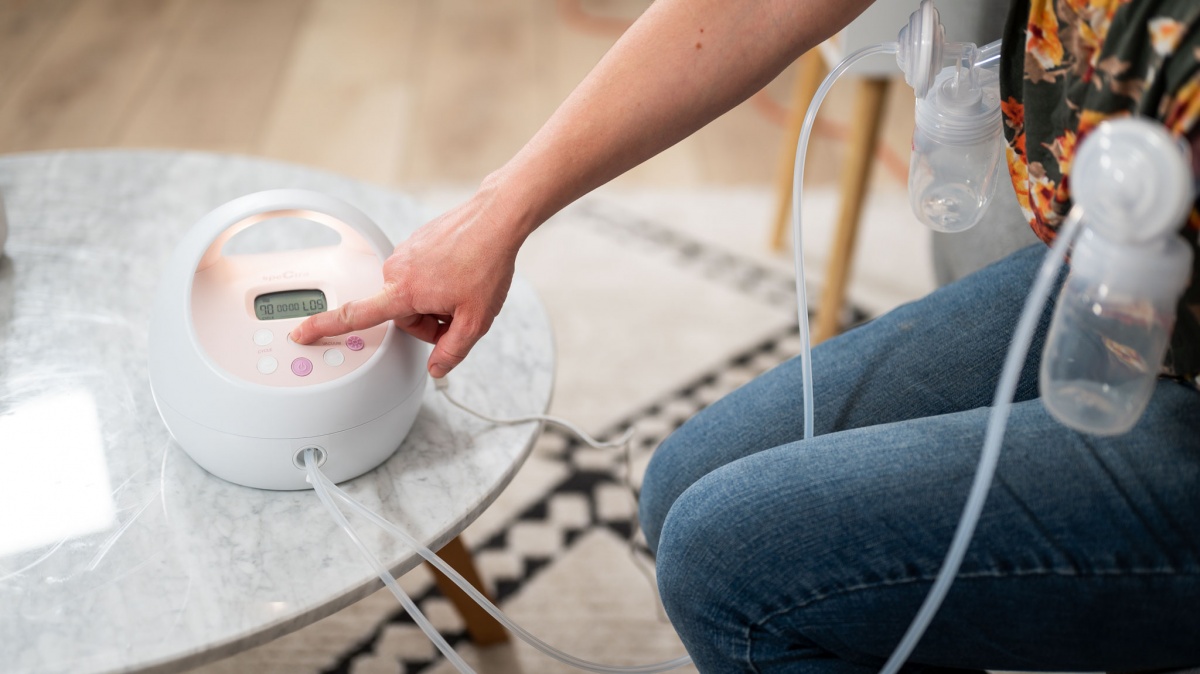
The majority of insurance-covered breast pumps are electric. Here are the electric models moms choose most frequently through Pumps for Mom:
Enter your insurance information on Pumps for Mom to see exactly which electric pumps your plan covers and what your cost will be.
Takes less than 60 seconds. Most moms pay $0.
Choosing between an electric and manual breast pump depends on how often you plan to pump and what role pumping will play in your feeding routine.
Electric breast pumps are faster, more efficient, and less physically tiring. A double electric pump can empty both breasts in 15 to 20 minutes, while a manual pump takes longer and only works on one breast at a time. Electric pumps offer adjustable suction and automated cycling, so you don’t have to repeatedly squeeze a handle. For moms who pump multiple times per day—especially working moms and exclusive pumpers—an electric pump is practically essential.
Manual breast pumps like the Medela Harmony or Lansinoh Manual Breast Pump are hand-operated, lightweight, completely silent, and require no power source. They are ideal for occasional pumping, travel, relieving engorgement, or as a backup when your electric pump is unavailable. Manual pumps cost less and have fewer parts to clean and maintain.
Most lactation consultants recommend an electric pump as your primary pump if you plan to pump regularly. A manual pump can serve as a valuable backup for occasional use. If your insurance covers an electric pump at no cost, which most plans do, there is little reason to choose manual as your everyday pump unless your pumping needs are very infrequent.
Electric breast pumps come in two configurations: single (one breast at a time) and double (both breasts simultaneously). The difference has a meaningful impact on your pumping routine.
Double electric pumps express milk from both breasts at the same time, cutting each pumping session roughly in half compared to pumping one side at a time. A typical double pumping session takes 15 to 20 minutes versus 30 to 40 minutes for single pumping. Double pumping also stimulates greater prolactin release, which can help maintain or increase milk supply over time. For working moms, exclusive pumpers, or anyone who pumps more than once or twice a day, a double electric pump is the standard recommendation.
Single electric pumps are smaller, lighter, and sometimes quieter. They work well for moms who pump occasionally—perhaps once a day to build a small freezer stash or to relieve engorgement on one side while nursing on the other. Single pumps are also a more portable option for a backup or travel pump.
The vast majority of insurance-covered electric breast pumps are double electric models. Plans that cover the Spectra S2 Plus, Medela Pump In Style, or Lansinoh Smartpump 3.0 are providing double electric pumps. If you are pumping regularly, a double electric pump is almost always the better choice, and it is likely covered by your insurance at no cost.
Takes less than 60 seconds. Most moms pay $0.
Visit Pumps for Mom and provide your insurance information. We verify your benefits and show you every electric breast pump your plan covers, along with your exact out-of-pocket cost for each model.
Browse available electric pumps side by side. Compare suction strength, features, portability, and reviews from other moms. See whether plug-in, rechargeable, or wearable electric pumps are covered by your plan.
Choose your electric pump and complete your order. We file the insurance claim, handle all paperwork, and ship your pump to your door with free shipping. Most orders arrive within 3 to 5 business days.
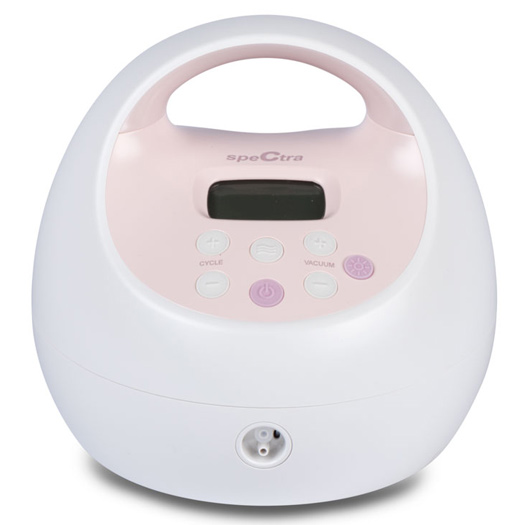
Covered by most insurance plans
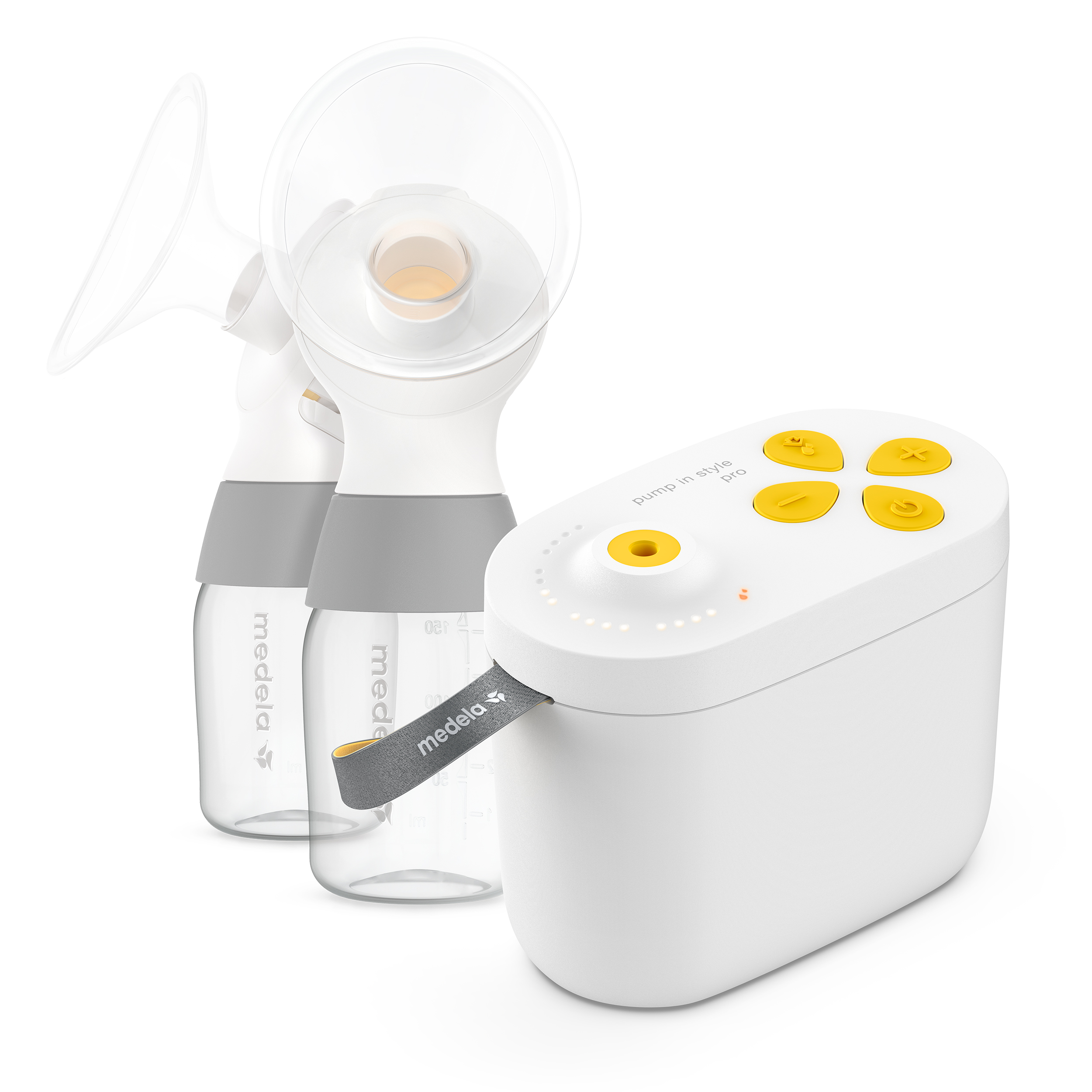
Covered by most insurance plans
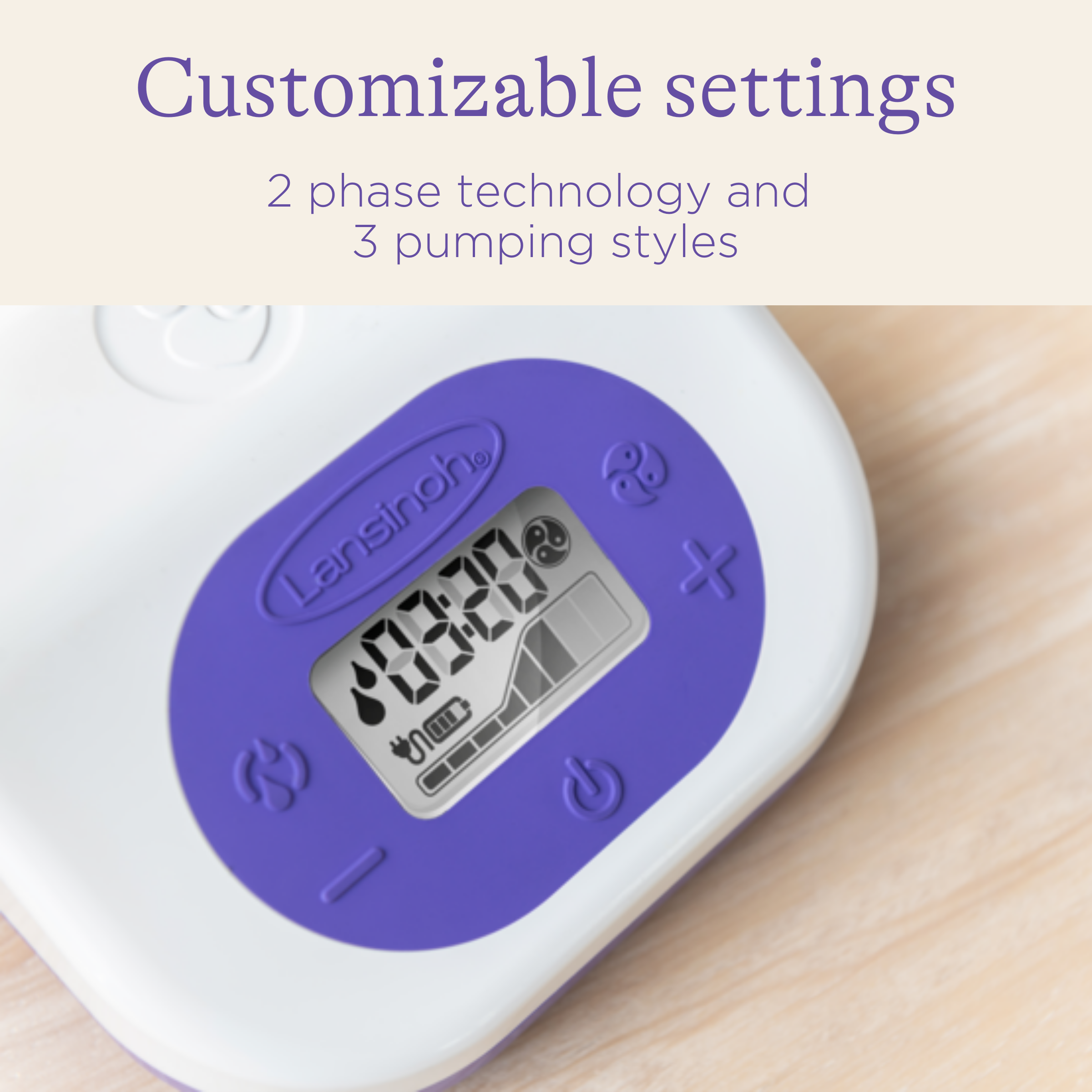
Covered by most insurance plans
Most insurance plans cover a breast pump at no cost to you.
Rated 4.9/5 by thousands of moms
“I had no idea my insurance would cover a Spectra pump at no cost. Pumps for Mom handled everything—I just picked my pump and it arrived in 4 days.”
Jessica M.
Dallas, TX
“The process was so simple. I entered my insurance info, picked the Medela Freestyle, and they took care of all the paperwork. Truly zero hassle.”
Sarah K.
Richmond, VA
“As a first-time mom I was overwhelmed by the options. Their team helped me choose the right pump for my needs and I paid nothing out of pocket.”
Amanda R.
Phoenix, AZ
Does insurance cover electric breast pumps?
Yes. Under the Affordable Care Act, all marketplace and employer-sponsored insurance plans must cover a breast pump at no cost to the patient. The most commonly covered pumps are double electric models like the Spectra S2 Plus, Medela Pump In Style, and Lansinoh Smartpump 3.0. Most moms receive their electric breast pump at $0 out of pocket.
What is the best electric breast pump?
The best electric breast pump depends on your needs. The Spectra S2 Plus is the top choice for moms who want maximum suction strength and a proven closed-system design at home. The Spectra S1 Plus adds a rechargeable battery for portability. The Medela Pump In Style offers Medela’s trusted performance with a modern, portable design. All three are commonly covered by insurance through Pumps for Mom.
How long does an electric breast pump session take?
A typical double electric pumping session takes 15 to 20 minutes. Single electric pumping takes roughly 15 to 20 minutes per breast, so 30 to 40 minutes total for both sides. Most lactation consultants recommend pumping until milk flow slows significantly or stops, rather than pumping for a set amount of time.
Are electric breast pumps loud?
Modern electric breast pumps are significantly quieter than older models. Most current pumps operate between 40 and 55 decibels, comparable to a quiet conversation or a refrigerator hum. Wearable electric pumps like the Elvie Stride are among the quietest, designed to be used discreetly during meetings or phone calls. If noise is a concern, check the decibel rating of each model before ordering.
Can I get more than one electric breast pump through insurance?
Most insurance plans cover one breast pump per pregnancy. Some plans allow a replacement pump for a subsequent pregnancy. A small number of plans may cover a second pump if medically necessary, such as when a pump malfunctions or when a mother’s pumping needs change. Check with Pumps for Mom to understand your specific plan’s policy on replacement or additional pumps.
Most insurance plans cover a double electric breast pump at $0 — see your options now.
I acknowledge I have not received a personal use breast pump through this insurance policy or any other insurance policy for this pregnancy. I understand if I have received a breast pump through another provider or insurance coverage this claim may be denied and I will be responsible for paying the full retail value of the breast pump to Neb Doctors. I authorize Pumps for Mom to contact me by phone, email, or text message. Pumps for Mom will not share this information.