
I acknowledge I have not received a personal use breast pump through this insurance policy or any other insurance policy for this pregnancy. I understand if I have received a breast pump through another provider or insurance coverage this claim may be denied and I will be responsible for paying the full retail value of the breast pump to Neb Doctors. I authorize Pumps for Mom to contact me by phone, email, or text message. Pumps for Mom will not share this information.
Accepted by 300+ Insurance Plans






Most insurance plans fully cover your breast pump under the ACA.
Your pump ships directly to your door at no extra charge.
We verify your benefits and file everything with your insurer.
Most orders arrive within a week of insurance verification.
A wearable breast pump is a compact, cord-free device that fits entirely inside a standard nursing bra, allowing you to express milk without holding anything in place or being tethered to a wall outlet. Unlike traditional tabletop pumps that use external tubing and bottles, a wearable pump collects milk directly into a container built into the unit itself. You simply slip the pump into your bra, press a button, and go about your day.
Wearable pump technology has advanced dramatically over the past several years. Today’s best wearable breast pumps deliver suction strength and milk output that rival many traditional electric pumps, a significant improvement over earlier generations that sacrificed performance for portability. Modern wearable pumps offer multiple suction levels, adjustable cycle speeds, and let-down modes that mimic a baby’s natural nursing rhythm. Many also connect to smartphone apps that track pumping sessions, volume, and feeding schedules. For moms who need to pump throughout the day without stopping everything else, a wearable breast pump can be a genuine game changer.
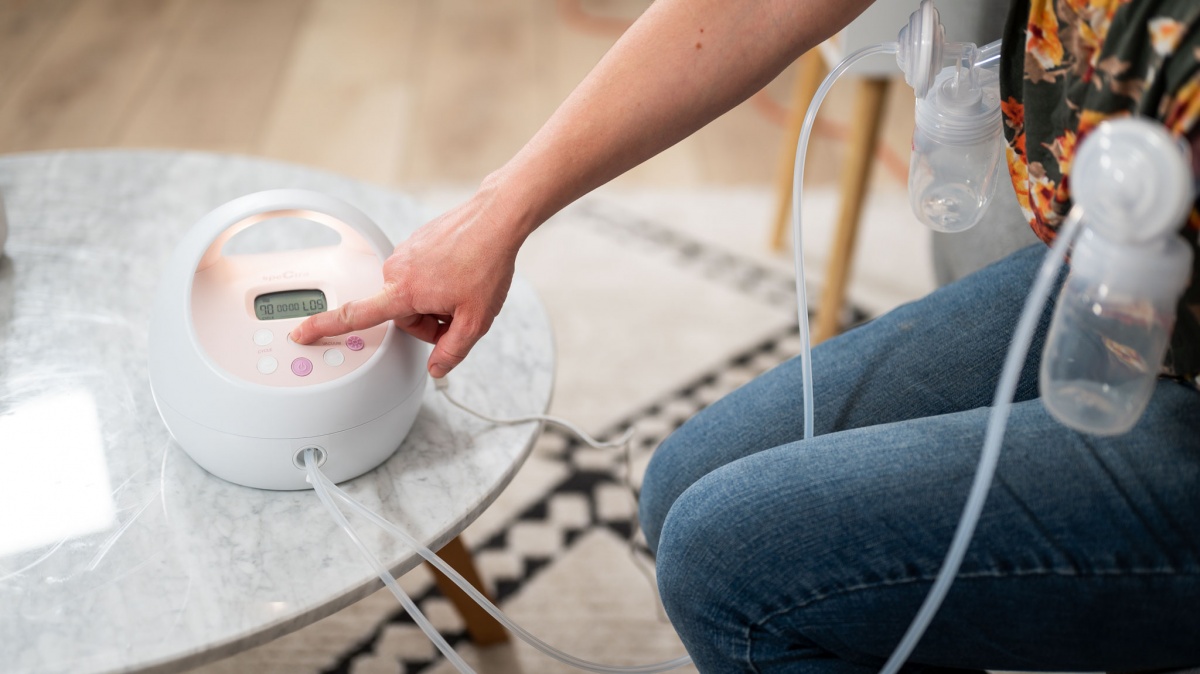
Pumps for Mom carries the most popular wearable breast pump models from leading brands. The specific wearable pumps your insurance covers depend on your plan, but here are the models most commonly available:
Insurance eligibility for each model varies by plan and provider. Some plans cover one or more wearable pumps at no cost, while others offer wearable models as upgrades with a copay. Pumps for Mom shows you exactly which wearable pumps your specific plan covers after you enter your insurance details.
Takes less than 60 seconds. Most moms pay $0.
Insurance coverage of wearable breast pumps varies by plan, but many plans do cover at least one wearable model. Under Section 2713 of the Affordable Care Act (ACA), all marketplace and employer-sponsored health insurance plans are required to cover a breast pump as a preventive service at no cost to the patient. However, the ACA does not specify which type of pump a plan must cover—so some insurers classify wearable pumps as the standard covered option while others categorize them as an upgrade above a basic tabletop model.
In practice, this means your experience will fall into one of three scenarios. Some insurance plans fully cover certain wearable breast pumps at no cost, treating them the same as any other covered pump. Other plans cover a standard electric pump at no cost and offer wearable models as an upgrade, where you pay only the difference between your plan’s base coverage amount and the wearable pump’s retail price—typically ranging from $0 to $150. A smaller number of plans limit coverage to basic manual or electric pumps and do not extend benefits to wearable models at all.
Pumps for Mom takes the guesswork out of this process entirely. When you enter your insurance details on our site, we check your specific plan and show you every wearable breast pump you are eligible for, along with your exact out-of-pocket cost—before you commit to anything.
Choosing between a wearable breast pump and a traditional electric pump comes down to how, where, and how often you plan to pump. Each type has clear strengths, and understanding the trade-offs will help you pick the right fit for your routine.
Wearable breast pumps offer hands-free operation, discreet use under clothing, and full portability without cords or dangling bottles. They’re ideal for pumping at work, during commutes, while caring for older children, or in any situation where you need to stay mobile. The trade-off is that most wearable pumps have smaller collection capacity (typically 4–5 ounces per side) and, depending on the model, may deliver slightly less maximum suction than a full-size electric pump.
Traditional electric breast pumps like the Spectra S1 Plus or Medela Pump In Style generally provide stronger suction, larger bottle capacity, and longer continuous run times. They’re the better choice for exclusive pumpers who need maximum output per session or for moms who pump primarily at home where portability is less important. The downside is that traditional pumps require you to sit in one spot, hold or support the bottles, and manage tubing and cords.
Many experienced moms use both types: a traditional pump for high-output sessions at home and a wearable pump for convenience during the workday or while traveling. If your insurance covers a wearable pump at no cost, there is no reason not to explore this option. And if your plan offers a wearable model as an upgrade, the added convenience may well be worth a modest copay—especially for moms who will pump multiple times per day outside the home.
Takes less than 60 seconds. Most moms pay $0.
Enter your insurance details on Pumps for Mom to see which wearable pumps your plan covers and what your out-of-pocket cost will be, if any.
Browse the wearable pumps available through your plan side by side. Compare features, read real mom reviews, and see your insurance pricing for each model.
Select your pump and complete your order. We file your insurance claim, handle all the paperwork, and ship your wearable pump to your door with free shipping.
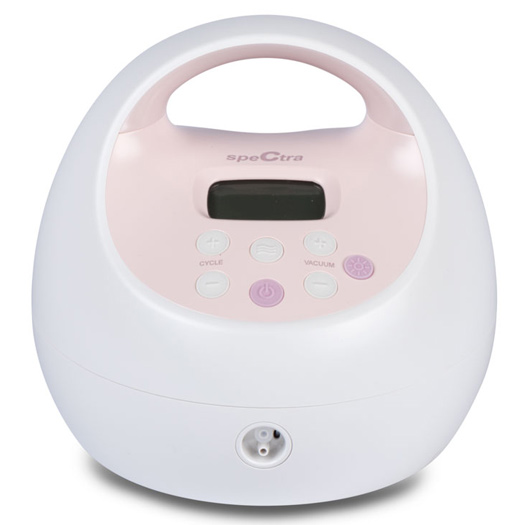
Covered by most insurance plans
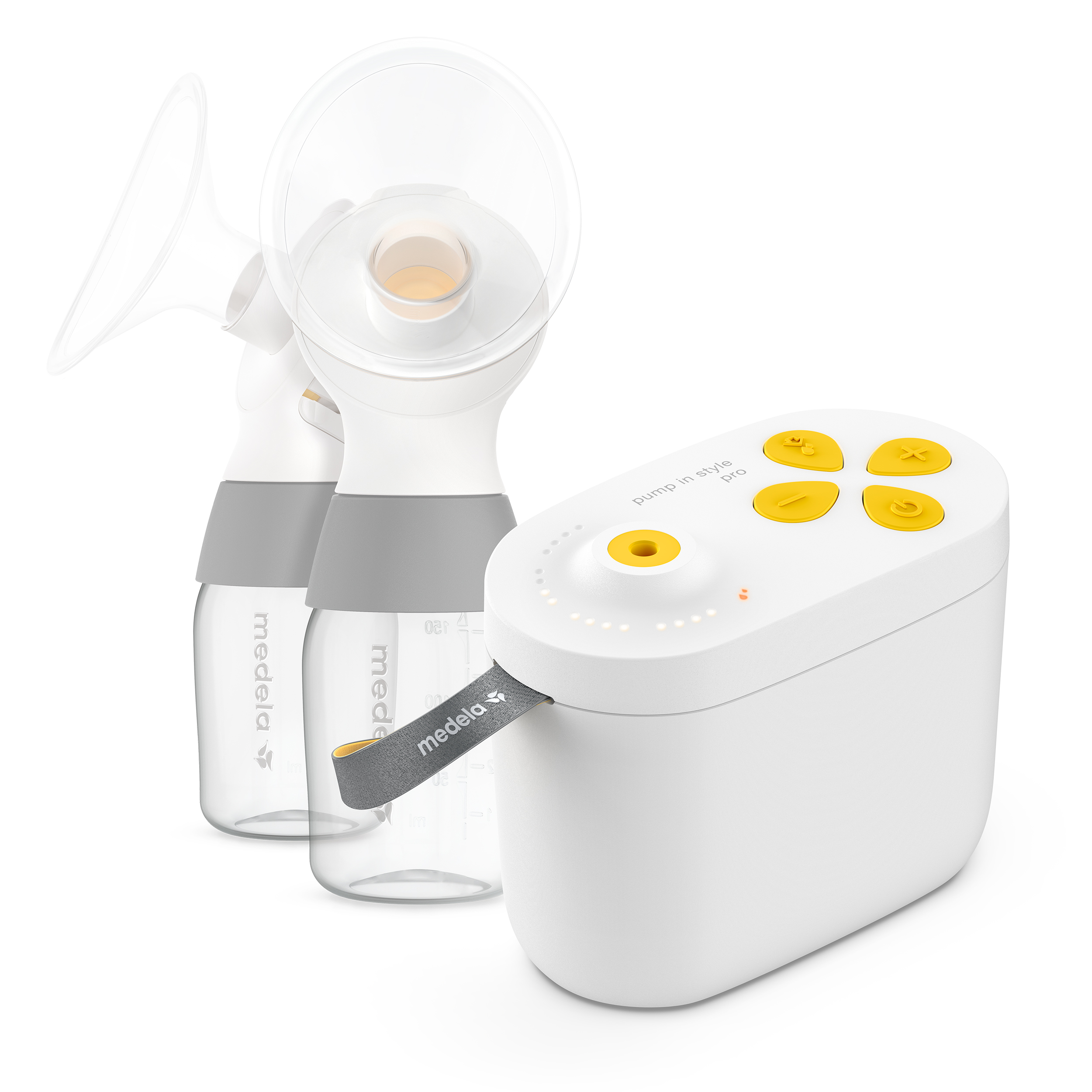
Covered by most insurance plans
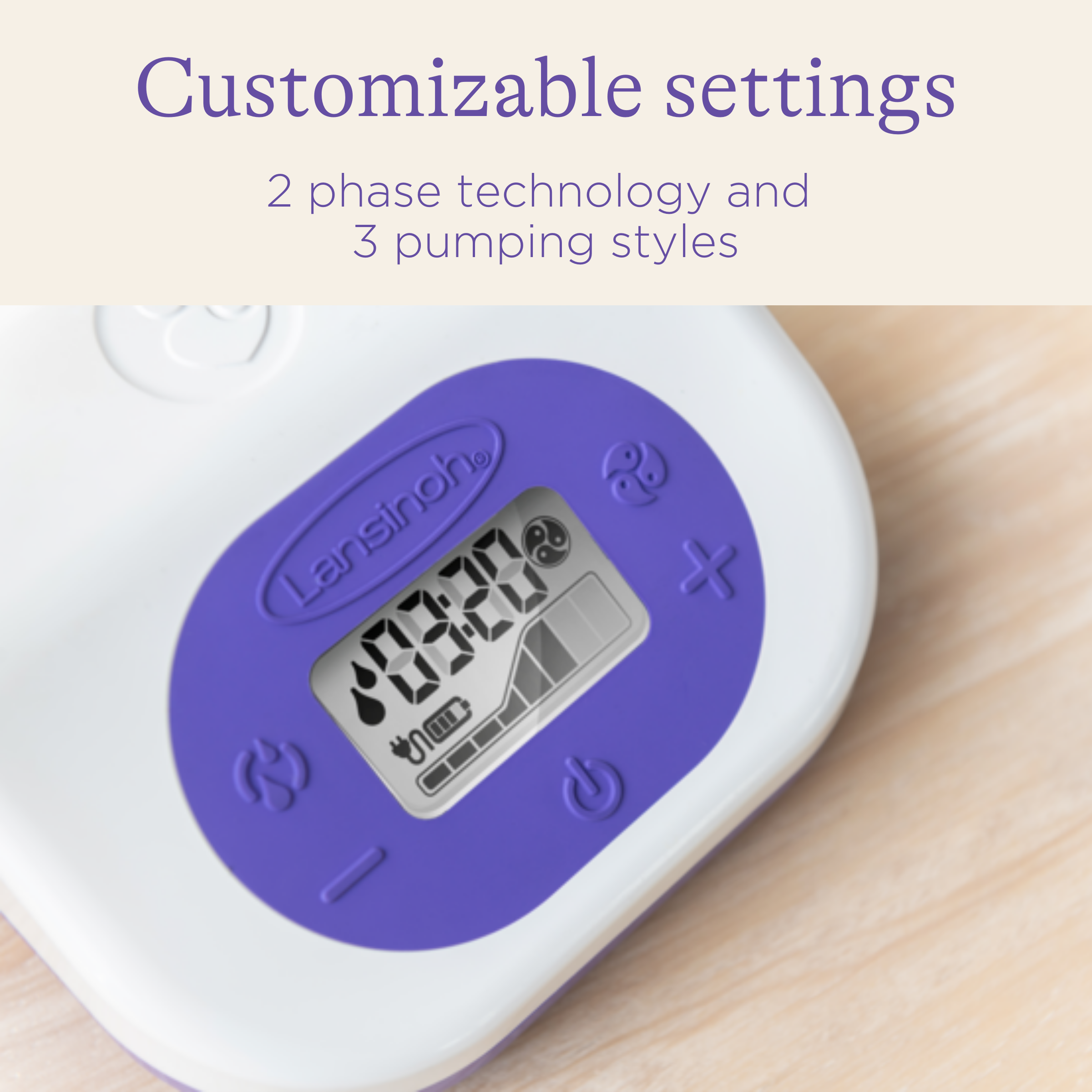
Covered by most insurance plans
Most insurance plans cover a breast pump at no cost to you.
Rated 4.9/5 by thousands of moms
“I had no idea my insurance would cover a Spectra pump at no cost. Pumps for Mom handled everything—I just picked my pump and it arrived in 4 days.”
Jessica M.
Dallas, TX
“The process was so simple. I entered my insurance info, picked the Medela Freestyle, and they took care of all the paperwork. Truly zero hassle.”
Sarah K.
Richmond, VA
“As a first-time mom I was overwhelmed by the options. Their team helped me choose the right pump for my needs and I paid nothing out of pocket.”
Amanda R.
Phoenix, AZ
Are wearable breast pumps covered by insurance?
Many insurance plans cover at least one wearable breast pump model at no cost, while others offer wearable pumps as an upgrade with a copay. The ACA requires all marketplace and employer plans to cover a breast pump, but it does not mandate coverage of a specific type. Pumps for Mom checks your individual plan and shows you exactly which wearable models you qualify for and what they will cost.
What is the best wearable breast pump through insurance?
The best wearable breast pump depends on your priorities. The Elvie Stride is a top choice for moms who want app-based session tracking and an ultra-discreet fit. The Willow Go stands out for its spill-proof design that lets you pump in any position. The Spectra Synergy Gold delivers the strongest suction of any wearable, making it ideal for exclusive pumpers. All of these models may be available through your insurance plan depending on your provider.
Can I get a wearable breast pump through Medicaid?
Some state Medicaid programs cover wearable breast pumps, though coverage varies significantly by state. Certain states include wearable models as a standard benefit, while others cover only basic electric pumps and offer wearable options as an out-of-pocket upgrade. Enter your Medicaid details on Pumps for Mom to check your specific state’s coverage.
How much does a wearable breast pump cost through insurance?
Many insurance plans cover at least one wearable breast pump at no cost to you. For plans that classify wearable pumps as an upgrade, the out-of-pocket copay typically ranges from $0 to $150 or more, depending on the model and your plan’s base coverage amount. Pumps for Mom shows your exact price for every eligible wearable pump before you place your order.
When should I order my wearable breast pump?
Most insurance plans allow you to order a breast pump during pregnancy, typically starting around 30 weeks gestation, though many plans permit ordering earlier. Ordering early ensures your wearable pump arrives well before your due date so you have time to familiarize yourself with the device. Check with Pumps for Mom to see when your plan’s coverage begins.
See which wearable breast pumps your insurance covers — many plans include at least one model at no cost.
I acknowledge I have not received a personal use breast pump through this insurance policy or any other insurance policy for this pregnancy. I understand if I have received a breast pump through another provider or insurance coverage this claim may be denied and I will be responsible for paying the full retail value of the breast pump to Neb Doctors. I authorize Pumps for Mom to contact me by phone, email, or text message. Pumps for Mom will not share this information.