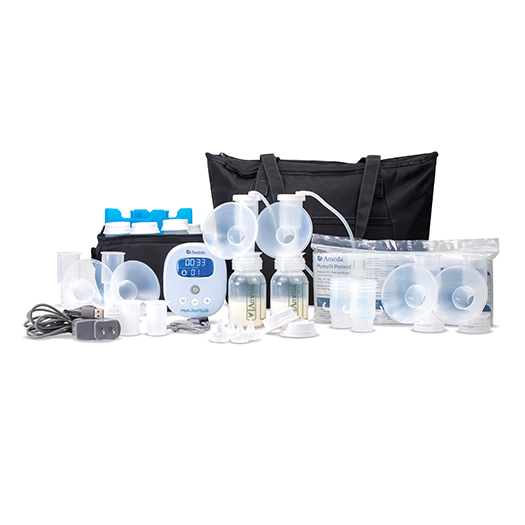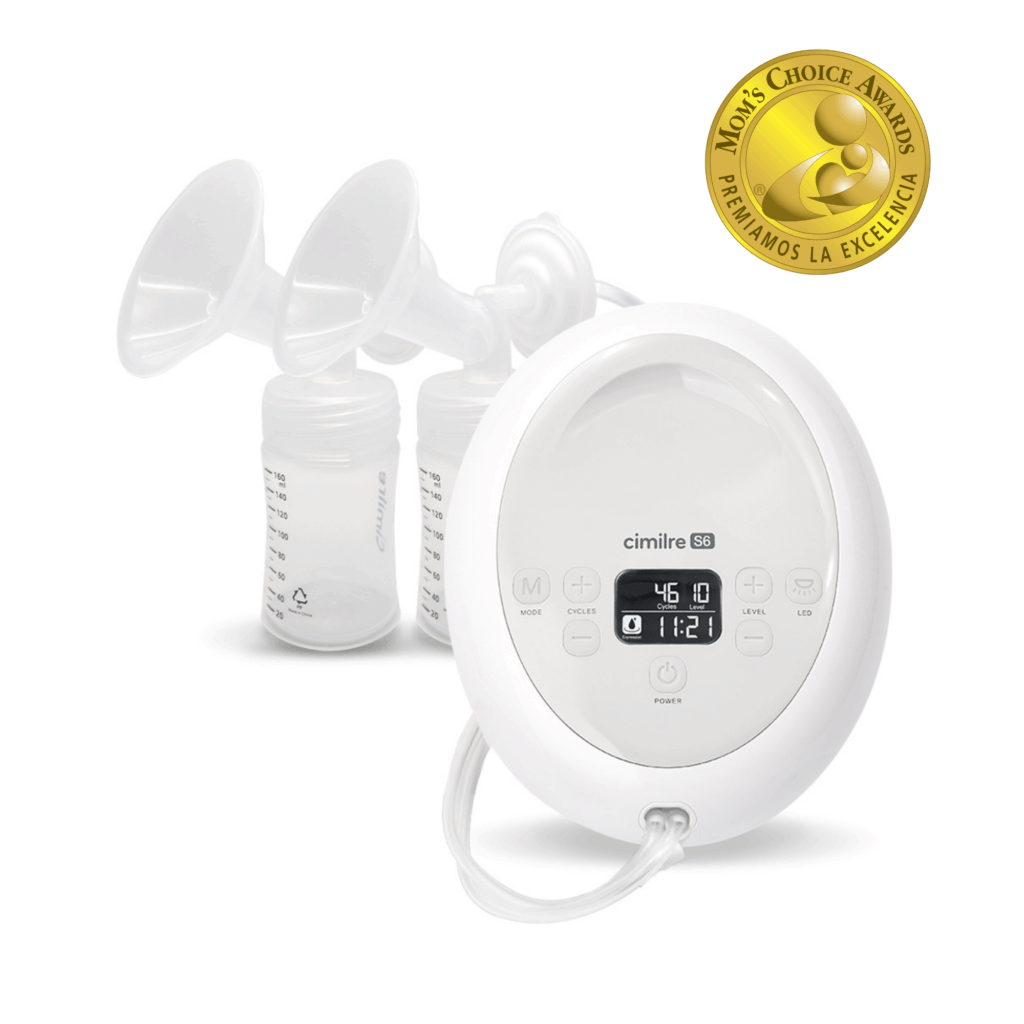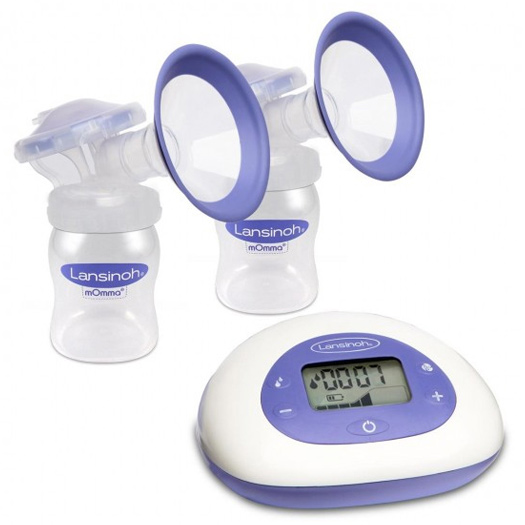
With leading breast pump brands and a simple, streamlined process, Pumps for Mom makes it easy for new and expectant mothers to get the breast pump they need without the hassle.
Our quick insurance eligibility form lets you see which breast pumps you qualify for right away, so there are no hidden fees and no waiting around for a call back. We can’t promise motherhood will always be easy — but we can make getting your breast pump through insurance simple, fast, and stress-free.
There are several types of breast pumps available, and the right choice depends on your lifestyle, comfort, and how often you plan to pump. Understanding the differences can help you find the best pump for your needs.
ELECTRIC BREAST PUMPS
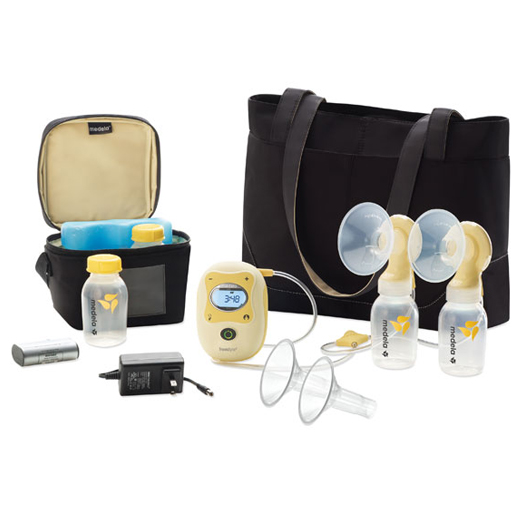
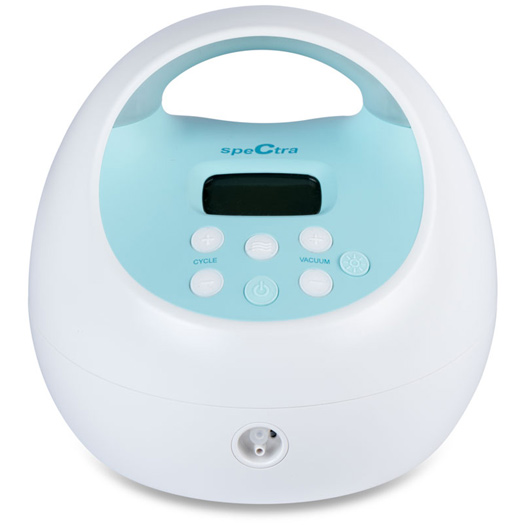
Electric breast pumps are the most common and most powerful option. These pumps use a motor to create suction and are available as either single or double pumps. Double electric breast pumps allow you to pump both breasts at the same time, which can save time and help maintain milk supply. Many insurance plans cover electric breast pumps at little or no cost.
PORTABLE & BATTERY-POWERED BREAST PUMPS
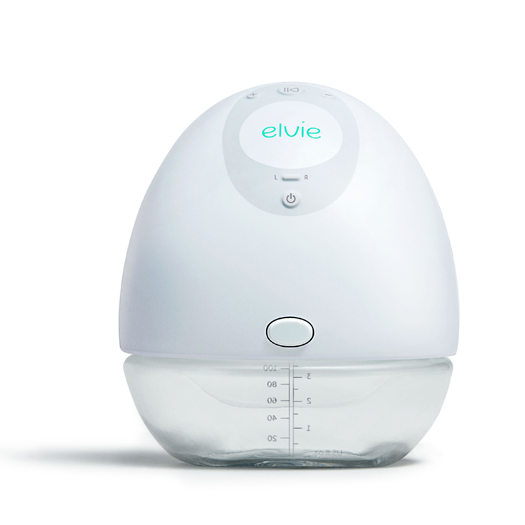
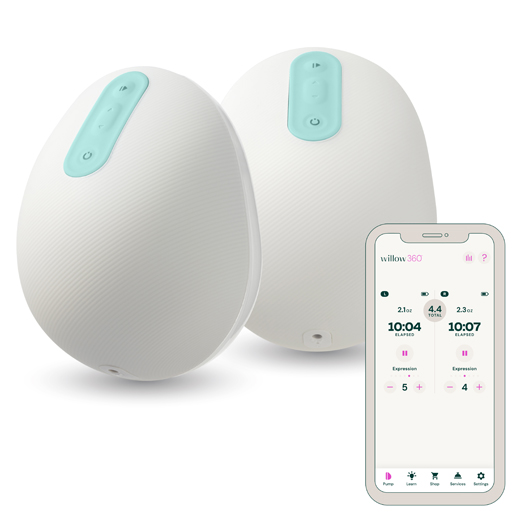
Portable breast pumps are designed for convenience and flexibility. These pumps are often battery-powered or rechargeable, making them a great choice for moms who need to pump at work, while traveling, or away from home. Some wearable models allow hands-free pumping for added comfort and mobility.
HOSPITAL-GRADE BREAST PUMPS
Hospital-grade breast pumps are designed for situations where extra suction strength or frequent pumping is needed. These pumps are often recommended for moms with babies in the NICU, mothers of multiples, or anyone experiencing challenges with breastfeeding. Hospital-grade pumps are usually available as rentals and may require a prescription depending on your insurance plan.
Without insurance, the cost of a breast pump can vary depending on the type and features you choose. Most electric breast pumps range from about $150 to $500.
The good news is that under the Affordable Care Act, most health insurance plans cover the cost of a breast pump. At Pumps for Mom, we make the process simple. Just complete our quick insurance eligibility form, and we’ll check your coverage and show you which breast pumps you qualify for — with no hidden fees and no waiting for a call back.
Pumps for Mom carries trusted brands that moms and healthcare providers rely on every day. Popular breast pump brands include:
Each brand offers different features, so the best pump for you will depend on your comfort, lifestyle, and insurance coverage.
Breast pump suction refers to the strength of the vacuum used to express milk. Suction is usually measured in mmHg, and most pumps allow you to adjust the speed and strength to match your comfort level. The right settings should feel similar to natural breastfeeding — firm but not painful.
Most pumping sessions last about 15–20 minutes, although some moms may need a little longer depending on milk supply, time of day, and how often they pump. Many pumps allow you to adjust speed and rhythm so you can find the setting that works best for your body.
Flange size (also called breast shield size) is important for comfort and milk production. Using the correct size helps create proper suction and prevents discomfort. Common flange sizes include 21mm, 24mm, 27mm, 30mm, and 36mm. The best fit is usually within a few millimeters of your nipple size.
Using a breast pump should not be painful. You may feel gentle pulling or pressure, but discomfort can mean the suction is too high or the flange size is not correct. If pumping continues to hurt, it’s a good idea to speak with a lactation consultant or healthcare provider.
Pumps for Mom makes it easy to get a breast pump through your insurance plan. Simply fill out our quick form, and we’ll check your coverage and show you the pumps you qualify for — fast, free, and with no obligation.
The breast milk storage bags through insurance that are offered by Pumps for Mom are of the highest-quality; designed to be leak-resistant, easy to label, and safe for both freezing and refrigeration. Choosing the right storage bag can make pumping and feeding more convenient, especially for moms who need to store milk for later use, return to work, or build a supply ahead of time.
When choosing storage bags, consider questions like:
Understanding proper breast milk storage guidelines is important to help protect the nutrients in your milk and keep it safe for your baby.
Freshly pumped milk can usually stay at room temperature for a short time, but plans don’t always go as expected. If a feeding is delayed, you should be able to move the milk safely into the refrigerator or freezer without worrying about leaks or contamination. Look for storage bags like the option Pumps for Mom offers that allow easy labeling with the date and time so you can keep track of your supply, especially if multiple caregivers are involved.
If freezer space is limited, flat or stackable storage bags can help keep milk organized. These designs allow bags to freeze evenly and thaw more quickly when needed. Some bags also include pour spouts or reinforced seams to make transferring milk to a bottle easier.
Discover how Pumps for Mom partners with hospitals, clinics, and providers to better support moms through pregnancy and postpartum.
We’re here to help you find the perfect pump through your insurance and support you every step of the way. Connect with us today and let’s make this journey easier together.