
I acknowledge I have not received a personal use breast pump through this insurance policy or any other insurance policy for this pregnancy. I understand if I have received a breast pump through another provider or insurance coverage this claim may be denied and I will be responsible for paying the full retail value of the breast pump to Neb Doctors. I authorize Pumps for Mom to contact me by phone, email, or text message. Pumps for Mom will not share this information.
Accepted by 300+ Insurance Plans






Most insurance plans fully cover your breast pump under the ACA.
Your pump ships directly to your door at no extra charge.
We verify your benefits and file everything with your insurer.
Most orders arrive within a week of insurance verification.
A manual breast pump is a hand-operated device that creates suction through a squeeze handle, lever, or plunger mechanism. You place the flange over your breast and rhythmically squeeze the handle to draw milk into an attached collection bottle or container. There is no motor, no electrical components, and no power source—your hand provides all the energy.
Manual pumps come in two main designs:
Manual pumps have been used for generations and remain valuable tools despite the rise of electric pumps. Their simplicity is their strength: nothing to charge, nothing to plug in, nothing that can malfunction electronically, and nothing that makes noise. For the right use case, a manual pump is not a compromise—it is the best tool for the job.
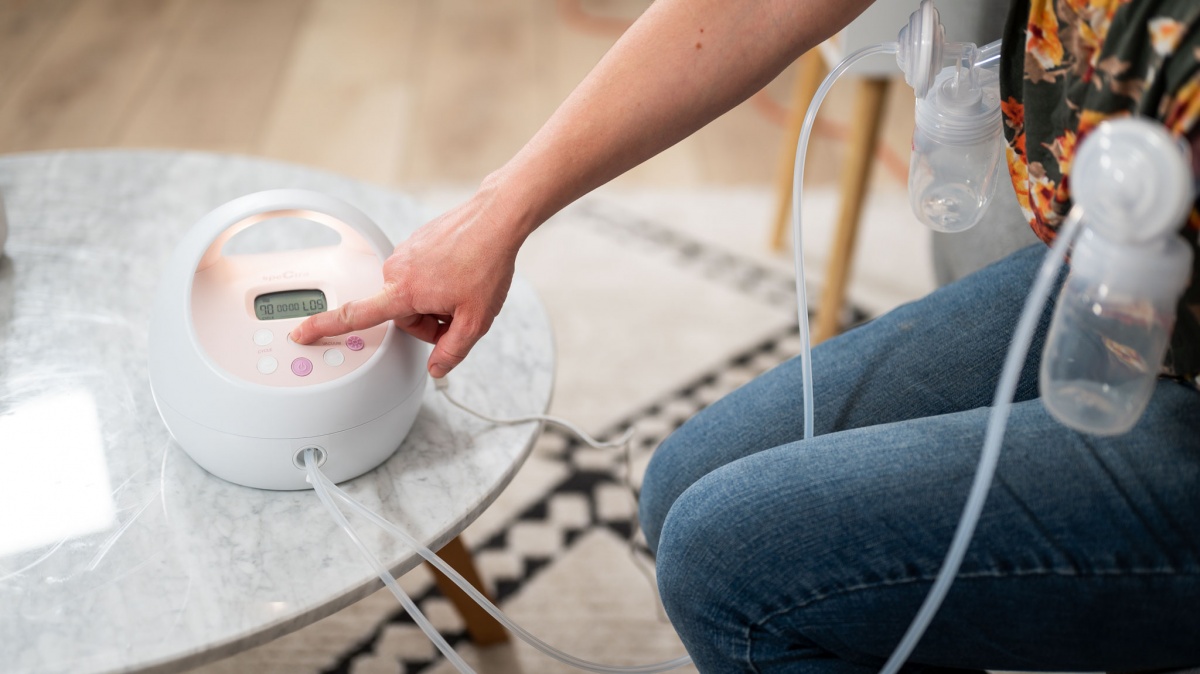
Manual breast pumps serve specific needs that electric pumps sometimes cannot. Here are the situations where a manual pump truly shines:
Occasional pumping. If you primarily breastfeed and only pump once a day or a few times per week—to build a small freezer stash, to leave a bottle for a caregiver, or before a night out—a manual pump handles the job without the setup and cleanup of an electric pump. For infrequent use, the simplicity of squeezing a handle beats assembling tubing and plugging in a motor.
Travel and backup. A manual pump weighs only a few ounces, takes up almost no space in a bag, and works anywhere in the world without electricity. It is the perfect backup pump to throw in a carry-on, keep in your car’s glove box, or have on hand for power outages. Many moms who own an electric pump also keep a manual pump for these situations.
Engorgement relief. When your breasts are painfully full—during the early days of breastfeeding, when you skip a feeding, or during weaning—a manual pump lets you express just enough milk to relieve pressure without triggering your body to produce more. The fine control of manual suction makes it easier to express a small amount precisely.
Silent pumping. Manual pumps produce zero noise. If you need to pump in a shared room, during a meeting, next to a sleeping baby, or in any situation where an electric pump’s motor hum would be disruptive, a manual pump lets you express in complete silence.
Low-cost or insurance-standard coverage. Some insurance plans cover a manual pump as the base benefit, with electric pumps available as an upgrade. If your plan covers a manual pump at $0 and you only plan to pump occasionally, a manual pump may be all you need.
Takes less than 60 seconds. Most moms pay $0.
The manual pump market is smaller than the electric market, but there are clear standout models that moms consistently rate highest:
Check your insurance coverage on Pumps for Mom to see which manual pumps your plan covers and whether your plan also qualifies you for an electric pump at no additional cost.
Manual and electric breast pumps serve different purposes, and many moms benefit from having one of each. Here is a head-to-head comparison:
Speed: An electric double pump empties both breasts in 15 to 20 minutes. A manual pump takes 15 to 20 minutes per breast, so 30 to 40 minutes total. For moms who pump multiple times per day, this time difference is significant.
Portability: Manual pumps weigh a few ounces and fit in a purse. Even the most portable electric pumps weigh at least half a pound and require charging. Manual wins here decisively.
Noise: Manual pumps are completely silent. Electric pumps produce a hum ranging from 40 to 55 decibels. If discretion matters, manual is unbeatable.
Hand fatigue: Manual pumps require continuous squeezing, which can tire your hand and forearm during longer sessions. Electric pumps do the work for you. For moms with carpal tunnel, arthritis, or repetitive strain issues, electric pumps are far more comfortable.
Cost: Manual pumps retail for $15 to $40. Electric pumps range from $80 to $500. Through insurance, either type may be covered at $0, so cost becomes less of a factor.
Maintenance: Manual pumps have fewer parts, making them faster to disassemble, clean, and reassemble. Electric pumps have tubing, valves, membranes, and motor housings that require more thorough cleaning.
The bottom line: if you pump regularly, an electric pump is your primary tool. If you pump occasionally, travel frequently, or need a quiet backup, a manual pump earns its place in your bag.
Takes less than 60 seconds. Most moms pay $0.
Enter your insurance details on Pumps for Mom. We show you whether your plan covers a manual pump, an electric pump, or both. Some plans let you choose either type at no cost.
Compare manual pump models based on handle ergonomics, flange sizes, and compatibility with bottles you already own. If your plan also covers an electric pump, consider ordering both—a primary electric pump for daily use and a manual for backup and travel.
Select your manual pump and place your order. We handle all insurance paperwork and ship your pump to your door for free. Manual pumps ship quickly due to their compact size.
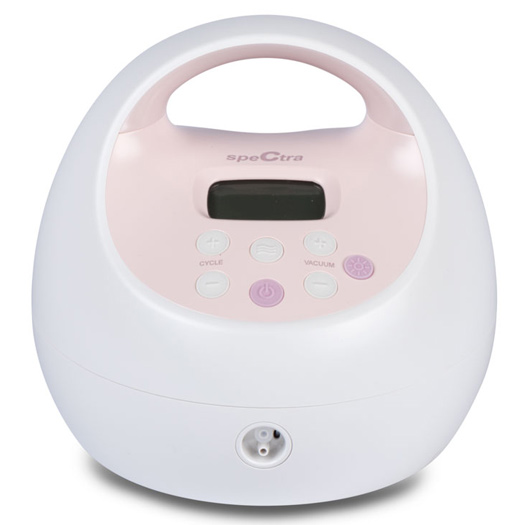
Covered by most insurance plans
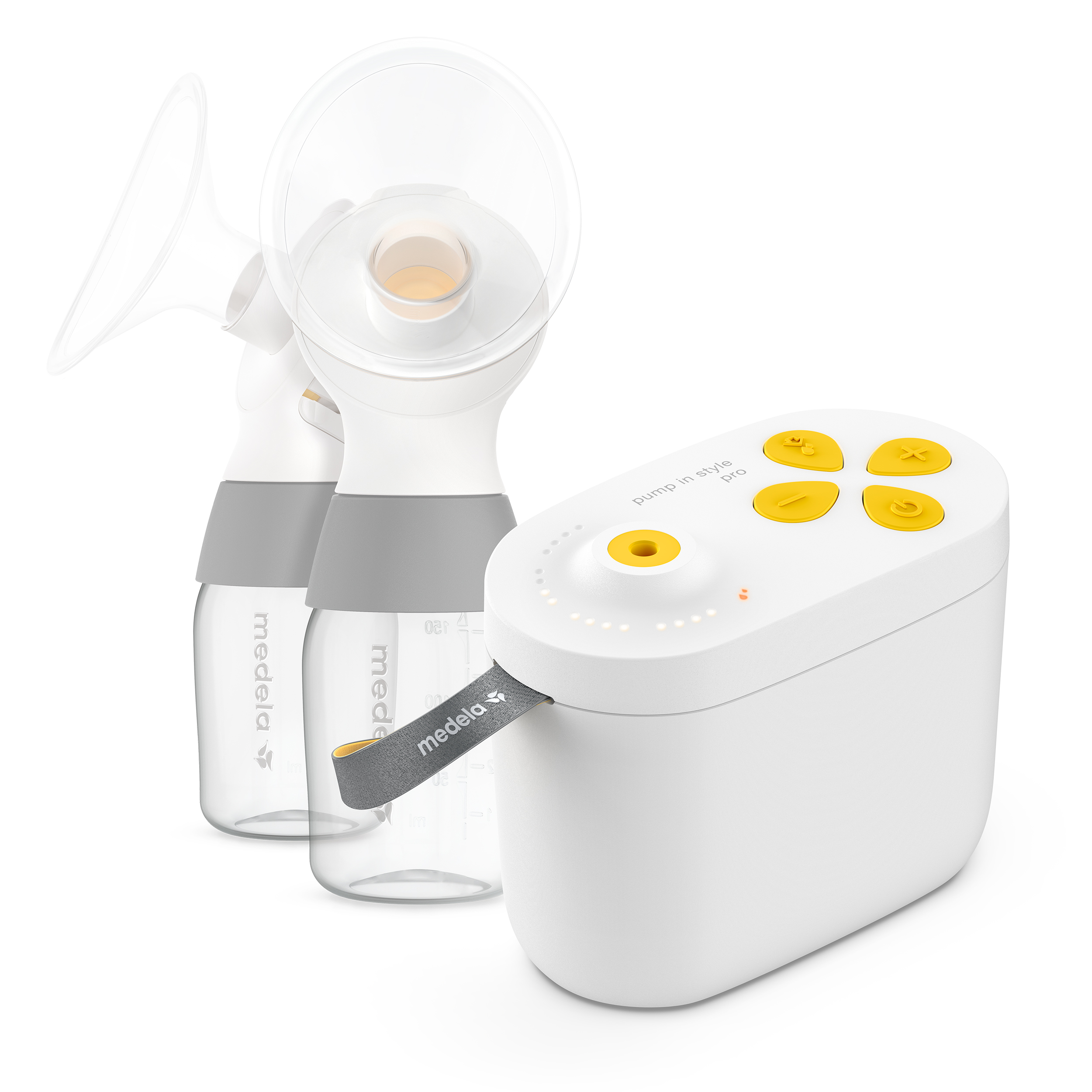
Covered by most insurance plans
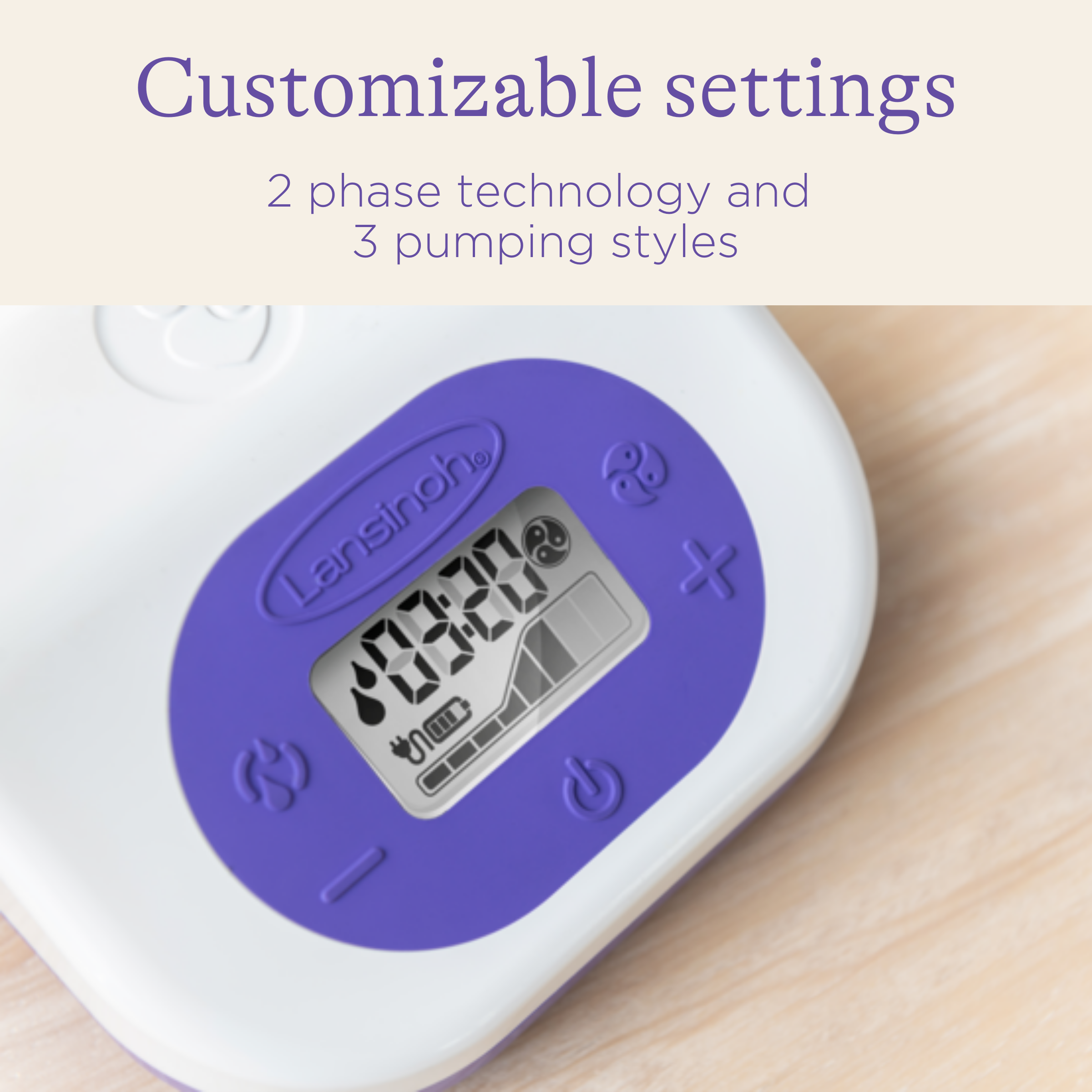
Covered by most insurance plans
Most insurance plans cover a breast pump at no cost to you.
Rated 4.9/5 by thousands of moms
“I had no idea my insurance would cover a Spectra pump at no cost. Pumps for Mom handled everything—I just picked my pump and it arrived in 4 days.”
Jessica M.
Dallas, TX
“The process was so simple. I entered my insurance info, picked the Medela Freestyle, and they took care of all the paperwork. Truly zero hassle.”
Sarah K.
Richmond, VA
“As a first-time mom I was overwhelmed by the options. Their team helped me choose the right pump for my needs and I paid nothing out of pocket.”
Amanda R.
Phoenix, AZ
Does insurance cover a manual breast pump?
Yes, many insurance plans cover a manual breast pump at no cost. Some plans offer a manual pump as the standard covered option, while others cover both manual and electric pumps and let you choose. Under the ACA, all marketplace and employer plans must cover a breast pump—the type covered varies by plan. Enter your insurance details on Pumps for Mom to see your specific coverage.
Is a manual breast pump good enough for everyday use?
A manual breast pump can work for everyday use if you pump once or twice a day. However, if you pump three or more times per day, return to work, or exclusively pump, a manual pump will be time-consuming and tiring for your hand. Most lactation consultants recommend an electric pump for regular daily pumping and a manual pump for occasional or backup use.
How long does it take to pump with a manual breast pump?
A typical manual pumping session takes 15 to 20 minutes per breast, so 30 to 40 minutes for both sides. This is about double the time of a double electric pump, which handles both breasts simultaneously in 15 to 20 minutes. Manual pumping speed also depends on your hand strength, let-down response, and how full your breasts are.
Can I use a manual breast pump exclusively?
It is possible but challenging. Exclusive pumping requires 6 to 8 sessions per day, and doing all of those manually would consume 3 to 5 hours daily and cause significant hand fatigue. Most moms who exclusively pump use a double electric pump as their primary tool. A manual pump works best as a supplement or backup for occasional sessions.
What is the difference between a Haakaa and a manual breast pump?
A traditional manual pump like the Medela Harmony uses a squeeze handle to actively create suction and draw out milk. A Haakaa is a silicone suction device that uses passive suction—you squeeze it to create a vacuum, attach it to your breast, and let your natural let-down push milk into the collector. The Haakaa is best for catching let-down milk from the non-nursing breast during feedings. A traditional manual pump gives you more control over suction strength and is better for dedicated pumping sessions.
See which manual and electric breast pumps your plan covers — many moms qualify for both at no cost.
I acknowledge I have not received a personal use breast pump through this insurance policy or any other insurance policy for this pregnancy. I understand if I have received a breast pump through another provider or insurance coverage this claim may be denied and I will be responsible for paying the full retail value of the breast pump to Neb Doctors. I authorize Pumps for Mom to contact me by phone, email, or text message. Pumps for Mom will not share this information.