
I acknowledge I have not received a personal use breast pump through this insurance policy or any other insurance policy for this pregnancy. I understand if I have received a breast pump through another provider or insurance coverage this claim may be denied and I will be responsible for paying the full retail value of the breast pump to Neb Doctors. I authorize Pumps for Mom to contact me by phone, email, or text message. Pumps for Mom will not share this information.
Accepted by 300+ Insurance Plans






Most insurance plans fully cover your breast pump under the ACA.
Your pump ships directly to your door at no extra charge.
We verify your benefits and file everything with your insurer.
Most orders arrive within a week of insurance verification.
A wireless breast pump is a breast pump that operates without any wires, cords, or external tubing connecting the pump to a separate motor, power supply, or collection system. Everything—the motor, suction mechanism, battery, and milk container—is built into a compact unit that sits directly on or inside your bra.
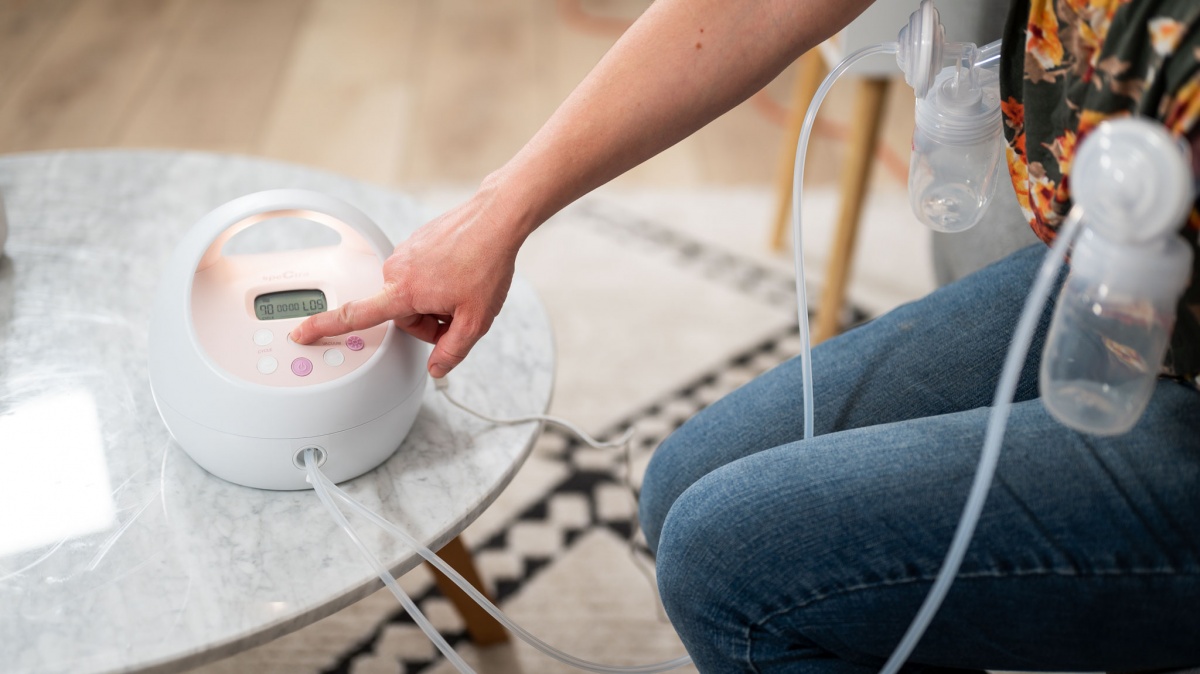
Traditional electric breast pumps use a motor box that connects to breast flanges through plastic tubing. Even rechargeable portable pumps like the Medela Freestyle Flex still have tubing running from a clip-on motor to the flanges. A wireless pump eliminates this tether entirely. There is nothing connecting you to a table, a bag, or a motor unit hanging from your clothes.
The result is complete freedom of movement during pumping. You can walk around, pick up your baby, do housework, commute, shop, or work at your desk without managing tubes or adjusting a motor clip. For many moms, especially those who pump multiple times per day, the elimination of cords and tubing is the single biggest improvement in their daily pumping experience.
Wireless pumps are a relatively new category that has matured significantly since the first models appeared several years ago. Early wireless pumps sacrificed suction power for convenience, but current-generation models from Elvie, Willow, and Spectra deliver performance that satisfies most moms—including many exclusive pumpers.
Pumps for Mom carries the most popular wireless breast pumps available through insurance. Each model takes a slightly different approach to the wireless design:
Which wireless pumps your insurance covers depends on your plan. Pumps for Mom shows your eligible wireless models and out-of-pocket cost after you enter your insurance details.
Takes less than 60 seconds. Most moms pay $0.
Many insurance plans cover at least one wireless breast pump model. Under the ACA, all marketplace and employer-sponsored plans must cover a breast pump at no cost. The type of pump covered—including whether wireless models are included—varies by plan.
Coverage for wireless pumps typically falls into three categories:
The wireless pump market is evolving quickly, and insurance coverage is expanding along with it. Plans that did not cover wireless pumps a year or two ago may now include them. Checking your current coverage through Pumps for Mom takes less than a minute and gives you accurate, up-to-date information about your wireless pump options.
Switching from a traditional tubed breast pump to a wireless model changes the pumping experience in meaningful ways. Here is what to expect:
Mobility goes from zero to full. With a traditional pump, you sit in one spot connected to a motor by tubing. With a wireless pump, you walk around your house, your office, or anywhere else. This single change transforms pumping from a stationary interruption to something you can do in the background of your day.
Setup time drops dramatically. A traditional pump requires assembling flanges, connecting tubing to the motor, attaching bottles, and finding an outlet. A wireless pump setup is: insert pump into bra, press the button. Cleanup is similarly faster with fewer parts.
Suction power trade-offs are shrinking. Early wireless pumps offered noticeably weaker suction than traditional pumps. Current models like the Spectra Synergy Gold and Willow 360 have closed that gap significantly. Most moms find that today’s wireless pumps deliver sufficient suction for maintaining supply, though some high-output exclusive pumpers still prefer the raw suction power of a full-size plug-in pump like the Spectra S2 Plus.
Milk collection capacity is smaller. Wireless pumps typically hold 4 to 5 ounces per side, compared to 5 to 9 ounces for standard bottles on a traditional pump. If you produce large volumes per session, you may need to empty the wireless containers mid-session.
Many moms use both: a wireless pump for convenience during busy parts of the day and a traditional pump for high-output sessions at home. If your insurance covers a wireless pump at no cost, it makes an excellent daily driver for most pumping routines.
Takes less than 60 seconds. Most moms pay $0.
Enter your insurance details on Pumps for Mom. We verify your plan and show you which wireless breast pumps are covered, including any copay for upgrade models.
Browse the wireless pumps available through your plan. Compare suction strength, battery life, app features, and spill-proof design. Read reviews from moms who pump wirelessly every day.
Select your wireless pump and we handle everything—insurance claims, paperwork, and free shipping directly to your door.
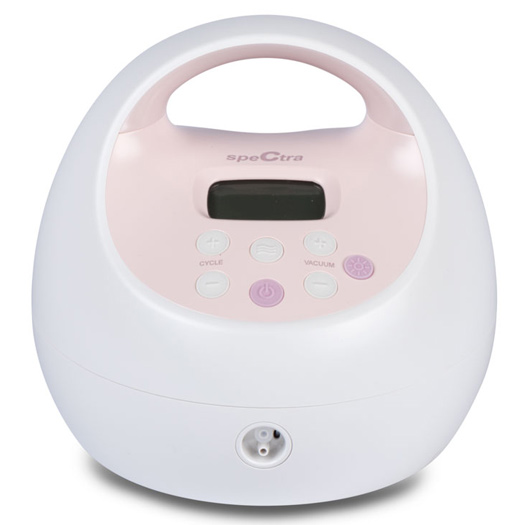
Covered by most insurance plans
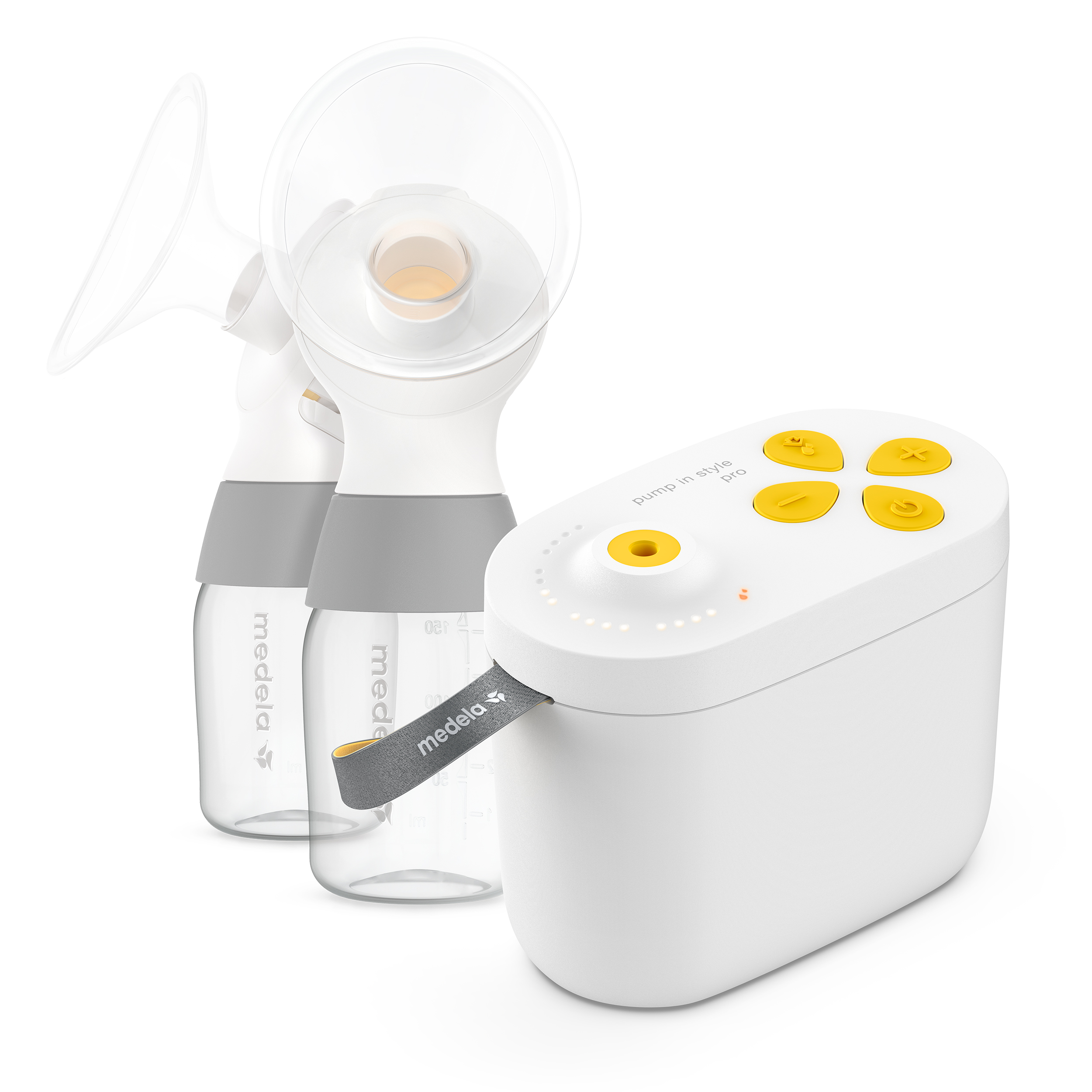
Covered by most insurance plans
Covered by most insurance plans
Most insurance plans cover a breast pump at no cost to you.
Rated 4.9/5 by thousands of moms
“I had no idea my insurance would cover a Spectra pump at no cost. Pumps for Mom handled everything—I just picked my pump and it arrived in 4 days.”
Jessica M.
Dallas, TX
“The process was so simple. I entered my insurance info, picked the Medela Freestyle, and they took care of all the paperwork. Truly zero hassle.”
Sarah K.
Richmond, VA
“As a first-time mom I was overwhelmed by the options. Their team helped me choose the right pump for my needs and I paid nothing out of pocket.”
Amanda R.
Phoenix, AZ
What is the difference between a wireless and a wearable breast pump?
The terms overlap significantly. A wireless breast pump has no cords or tubes—everything is self-contained. A wearable breast pump fits inside your bra for discreet, hands-free use. In practice, most wireless pumps are also wearable, and most wearable pumps are also wireless. The key distinction is that wireless specifically refers to the absence of cords and tubing, while wearable refers to how the pump is worn on the body.
Are wireless breast pumps as strong as regular pumps?
Current-generation wireless pumps have narrowed the suction gap considerably. Models like the Spectra Synergy Gold deliver hospital-strength suction in a wireless format. However, full-size plug-in pumps like the Spectra S2 Plus may still offer slightly stronger maximum suction. For most moms, the suction from a quality wireless pump is sufficient to maintain supply and express efficiently.
How long do wireless breast pump batteries last?
Most wireless breast pumps provide 2 to 3 hours of pumping per charge, which is enough for 3 to 5 typical sessions. The Willow Go and Elvie Stride each offer about 2.5 hours per charge. Charging overnight covers a full day of pumping for most moms.
Can a wireless breast pump leak?
All wireless pumps are designed to minimize leaking, but spill-proof performance varies by model. The Willow 360 and Willow Go feature sealed collection systems designed for leak-free pumping in any position, including bending over and lying down. Other wireless pumps may have a slight leak risk if you bend sharply forward. Check each model’s spill-proof rating before purchasing.
Does insurance cover wireless breast pumps?
Many insurance plans cover at least one wireless breast pump model, either at $0 or as an upgrade with a copay. Coverage is expanding as wireless pumps become more mainstream. Enter your insurance details on Pumps for Mom to see which wireless models your specific plan covers and what your out-of-pocket cost will be.
See which wireless breast pumps your plan covers — no cords, no tubes, and often $0 out of pocket.
I acknowledge I have not received a personal use breast pump through this insurance policy or any other insurance policy for this pregnancy. I understand if I have received a breast pump through another provider or insurance coverage this claim may be denied and I will be responsible for paying the full retail value of the breast pump to Neb Doctors. I authorize Pumps for Mom to contact me by phone, email, or text message. Pumps for Mom will not share this information.