
I acknowledge I have not received a personal use breast pump through this insurance policy or any other insurance policy for this pregnancy. I understand if I have received a breast pump through another provider or insurance coverage this claim may be denied and I will be responsible for paying the full retail value of the breast pump to Neb Doctors. I authorize Pumps for Mom to contact me by phone, email, or text message. Pumps for Mom will not share this information.
Accepted by 300+ Insurance Plans





Most insurance plans fully cover your breast pump under the ACA.
Your pump ships directly to your door at no extra charge.
We verify your benefits and file everything with your insurer.
Most orders arrive within a week of insurance verification.
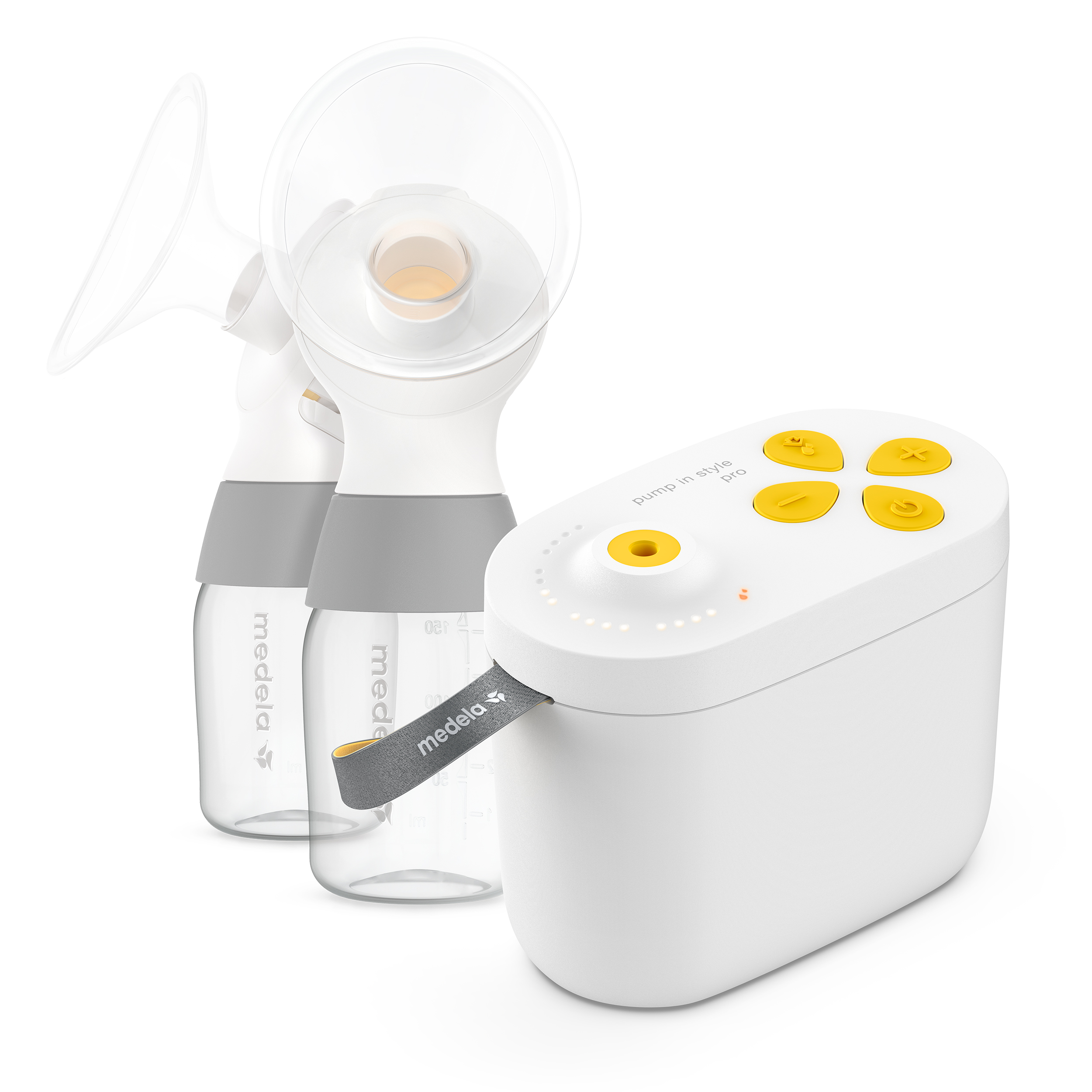
Medela is the right choice for moms who value proven performance, the widest support ecosystem, and easy access to replacement parts. The Pump in Style is one of the most battle-tested breast pumps in history, and Medela’s retail availability is unmatched. If you want a pump with decades of clinical validation, massive community support, and parts available at every pharmacy, Medela is the dependable pick. Willow is the right choice for moms who want to pump while moving freely and refuse to be tethered to a cord or table. The spill-proof, sealed collection system is a genuine mechanical innovation that lets you pump lying down, bending, or walking. If your lifestyle demands pumping without sitting still, Willow does something no traditional pump can do.
The most trusted name in breast pumping: When you ask a lactation consultant or OB for a pump recommendation, there is a strong chance they mention Medela first. That is not an accident — Medela has spent over 60 years conducting breastfeeding research and equipping hospitals worldwide. The brand’s institutional knowledge runs deep.
Unrivaled retail infrastructure: Medela flanges, membranes, valves, tubing, and bottles are stocked at Target, Walmart, CVS, Walgreens, and Amazon. When a part wears out or breaks, you can replace it the same day at a store down the street. No other pump brand comes close to this level of retail saturation.
PersonalFit Flex technology: Medela’s flexible breast shields pivot and adjust during pumping, which improves comfort and milk flow for many moms. The design allows natural breast movement rather than rigid compression.
Hospital-grade rental option: The Medela Symphony is the standard hospital-grade rental in most U.S. hospitals. If you need maximum suction power during the early days of establishing supply, Medela’s rental program is the gold standard.
Where Medela falls short against Willow: Medela pumps require tubes, a motor on a surface, and typically a power source nearby. Even the Freestyle Flex, Medela’s most portable option, is not wearable in the same way Willow is. You cannot pump a Medela while doing laundry or lying on your side in bed.
Takes less than 60 seconds. Most moms pay $0.
Spill-proof engineering that actually works: The Willow 360 uses a sealed container and latch mechanism that physically prevents milk from escaping. Tip it upside down, wear it while doing burpees, pump while lying flat — the milk stays contained. This is not just a convenience feature; for many moms, it fundamentally changes when and where pumping is possible.
No tubes, no cords, no setup: A Willow pump fits entirely inside your bra. Assembly takes seconds. There is nothing to plug in, nothing to connect, and nothing to arrange on a table. You latch it on and walk away. The reduction in setup friction means you are more likely to pump when you need to rather than putting it off because the process feels like a production.
Two price points for different budgets: The Willow 360 at $500 is the premium flagship. The Willow Go at $270 offers hands-free, in-bra pumping at a price that competes with Medela’s mid-tier models. Through insurance, the Go is increasingly available with moderate upgrade fees.
Where Willow falls short against Medela: Suction power is lower than Medela’s traditional pumps. The learning curve is steeper — getting the fit and latch right takes several sessions. Parts are harder to find and more expensive. And the Willow lacks the decades of clinical validation and community support that Medela offers.
You are establishing supply in the first weeks: Medela Pump in Style. During the critical early postpartum period, maximizing milk removal matters most. Medela’s stronger suction and the option to rent a hospital-grade Symphony give you the best tools for building supply.
You are back at work and need to pump discreetly: Willow Go. In workplace settings where setting up a traditional pump is awkward or impossible, the Willow’s in-bra design lets you pump without anyone knowing.
You travel frequently: Willow Go for air travel and on-the-go pumping. Medela Freestyle Flex if you want Medela’s performance in the most portable form factor they offer.
You want rock-solid reliability with zero learning curve: Medela Pump in Style. It works the way you expect a pump to work. Plug it in, attach the flanges, turn it on. Troubleshooting resources are everywhere.
You have older children and cannot sit still to pump: Willow 360. The spill-proof system means you can pump while cooking dinner, folding laundry, or supervising homework without worrying about tipping a bottle.
Takes less than 60 seconds. Most moms pay $0.
The Medela Pump in Style is one of the most commonly covered pumps across all insurance plans. It frequently appears in the zero-cost base tier. Premium Medela models like the Freestyle Flex and Swing Maxi may require an upgrade fee.
The Willow Go is covered by an increasing number of plans, typically with a moderate upgrade fee. The Willow 360 carries a larger upgrade fee on most plans, and some plans do not include it at all.
Pumps for Mom takes the complexity out of insurance coverage. Enter your plan details and we show you exactly which Medela and Willow models are covered, what is free, and what any upgrade cost would be. We handle the entire claim process.
Covered by most insurance plans
Covered by most insurance plans
Covered by most insurance plans
Most insurance plans cover a breast pump at no cost to you.
Rated 4.9/5 by thousands of moms
“I had no idea my insurance would cover a Spectra pump at no cost. Pumps for Mom handled everything—I just picked my pump and it arrived in 4 days.”
Jessica M.
Dallas, TX
“The process was so simple. I entered my insurance info, picked the Medela Freestyle, and they took care of all the paperwork. Truly zero hassle.”
Sarah K.
Richmond, VA
“As a first-time mom I was overwhelmed by the options. Their team helped me choose the right pump for my needs and I paid nothing out of pocket.”
Amanda R.
Phoenix, AZ
Is the Willow pump better than Medela?
The Willow offers hands-free, spill-proof wearable pumping that Medela’s traditional pumps cannot match. Medela offers stronger suction, wider parts availability, and decades of proven performance. Neither is universally better — the right choice depends on whether you prioritize movement freedom or pumping power and convenience of parts replacement.
Can I use a Willow pump as my only breast pump?
Some moms use the Willow as their sole pump. However, many lactation consultants recommend pairing a wearable pump with a traditional pump like the Medela for sessions where maximum milk removal is important, especially during the first few weeks postpartum when supply is being established.
Does insurance cover Medela and Willow pumps?
Yes. The Medela Pump in Style is covered at zero cost by most plans. Willow models are covered by many plans with varying upgrade fees. Check your specific coverage at Pumps for Mom to see what is available under your plan.
Compare coverage for both brands under your specific plan. Most moms qualify for at least one pump at no cost.
I acknowledge I have not received a personal use breast pump through this insurance policy or any other insurance policy for this pregnancy. I understand if I have received a breast pump through another provider or insurance coverage this claim may be denied and I will be responsible for paying the full retail value of the breast pump to Neb Doctors. I authorize Pumps for Mom to contact me by phone, email, or text message. Pumps for Mom will not share this information.